
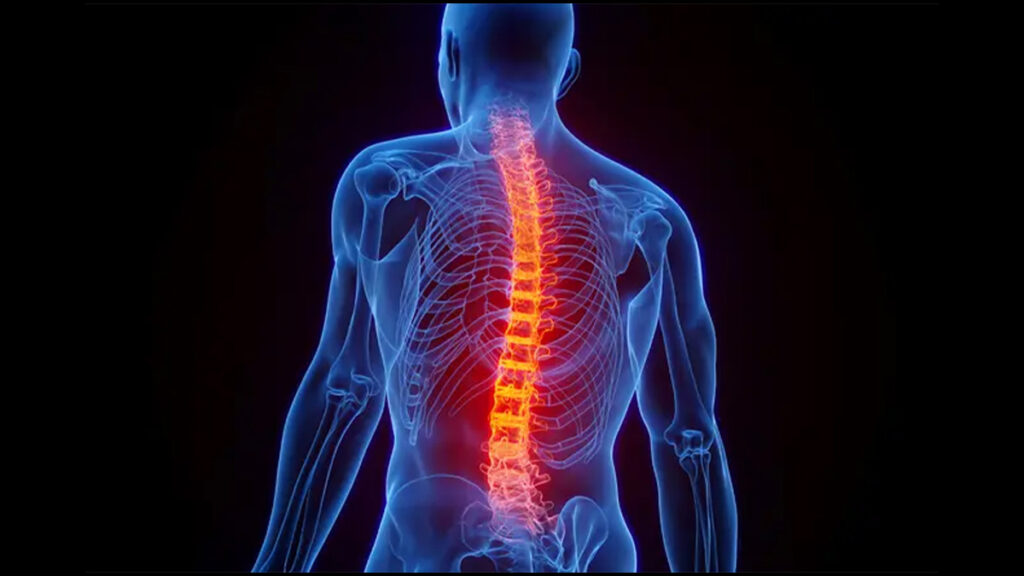
Spine problems such as slipped discs, spinal stenosis and nerve compression can affect everyday activities. They may cause persistent back pain, leg pain, numbness or weakness. When medicines and physiotherapy do not provide enough relief, surgery may be considered.
Advances in medical technology have introduced new approaches to spine treatment. One important development is endoscopic spine surgery, a minimally invasive technique that allows surgeons to treat selected spinal conditions through small incisions.
As highlighted in the Siliconindia article, “The Future of Spine Surgery: How Endoscopic Techniques Are Changing Patient Care”, endoscopic techniques are creating new possibilities in modern spine treatment.
What Is Endoscopic Spine Surgery?
Endoscopic spine surgery is a minimally invasive procedure that uses a thin tube with a small camera and specialised surgical instruments.
The surgeon makes a small incision and guides the endoscope towards the affected area. The camera provides a magnified view of the spine on a monitor, helping the surgeon identify and treat the problem.
Unlike conventional open surgery, this technique aims to reduce disruption to surrounding muscles and soft tissues.
How Is It Different from Traditional Spine Surgery?
Traditional spine surgery may require a larger incision to access the affected spinal area. Endoscopic surgery uses specialised instruments through a smaller surgical opening.
Some potential differences include:
- Smaller surgical incisions.
- Less disruption to surrounding muscles.
- Reduced blood loss in selected procedures.
- Less postoperative discomfort in some patients.
- Earlier mobilisation in suitable cases.
- Potentially shorter hospital stays.
The choice of procedure depends on the patient’s condition, diagnosis and overall health.
Which Conditions Can Be Treated with Endoscopic Spine Surgery?
Endoscopic techniques may be used to treat selected spinal conditions.
- Slipped Disc: A slipped or herniated disc occurs when disc material pushes outward and presses against nearby nerves. Endoscopic discectomy may help remove the material causing nerve compression.
- Spinal Stenosis: This condition involves narrowing of the spinal canal, which can put pressure on spinal nerves. Endoscopic decompression may help relieve pressure in suitable patients.
- Foraminal Stenosis: Narrowing of the openings through which spinal nerves exit can cause pain, numbness and weakness. Selected endoscopic procedures may help create more space for affected nerves.
- Nerve Compression: When spinal nerves are compressed, patients may experience back pain, radiating leg pain or tingling. Treatment depends on the underlying cause.
Is Endoscopic Spine Surgery Suitable for Everyone?
No. Endoscopic surgery is not suitable for every spinal condition. Some patients may require conventional surgery or other treatment approaches.
Before recommending surgery, a spine specialist evaluates:
- Symptoms and medical history.
- MRI and other imaging reports.
- Severity of nerve compression.
- Spinal stability and alignment.
- Previous treatments and their results.
A detailed assessment helps determine the most appropriate treatment.
Why Is Choosing an Experienced Spine Surgeon Important?
Endoscopic spine surgery requires specialised training and knowledge of spinal anatomy. The surgeon must work within a restricted surgical space using camera-based visual guidance and specialised instruments.
When consulting an Endoscopic spine surgeon in Bangalore, patients should consider the surgeon’s qualifications, experience with the relevant procedure and ability to explain different treatment options.
Dr Yogesh K Pithwa at Sattvik Spine
Dr Yogesh K Pithwa at Sattvik Spine provides evaluation and treatment for various spinal conditions.
Patients experiencing persistent back pain, slipped disc symptoms or nerve compression can seek a specialist consultation to understand the cause of their symptoms and available treatment options.
The decision to undergo endoscopic spine surgery should always follow an individual clinical assessment.
The Future of Endoscopic Spine Surgery
Improvements in surgical cameras, specialised instruments, imaging and navigation technologies continue to influence modern spine surgery.
These developments may support more precise surgical procedures and expand treatment options for selected patients. However, technology alone does not guarantee better outcomes. Appropriate patient selection, surgical expertise and proper rehabilitation remain essential.
For patients in Bangalore, understanding these developments can help them make informed decisions about spine care.
Frequently Asked Questions
1. Is endoscopic spine surgery minimally invasive?
Yes. It uses small incisions and specialised instruments to access the affected spinal area while aiming to minimise disruption to surrounding tissues.
2. Can a slipped disc be treated with endoscopic surgery?
Selected slipped disc cases can be treated using endoscopic discectomy. The suitability depends on the patient’s symptoms and MRI findings.
3. Is endoscopic spine surgery suitable for all patients?
No. Some spinal conditions require other surgical approaches. A specialist evaluation is necessary before choosing a treatment.
4. How long does recovery take?
Recovery depends on the procedure, the patient’s health and the severity of the spinal condition. Recovery timelines vary between individuals.
5. When should I consult a spine surgeon?
Consult a spine specialist if persistent back pain, leg pain, numbness or weakness affects your daily activities, especially when symptoms do not improve with initial treatment.