
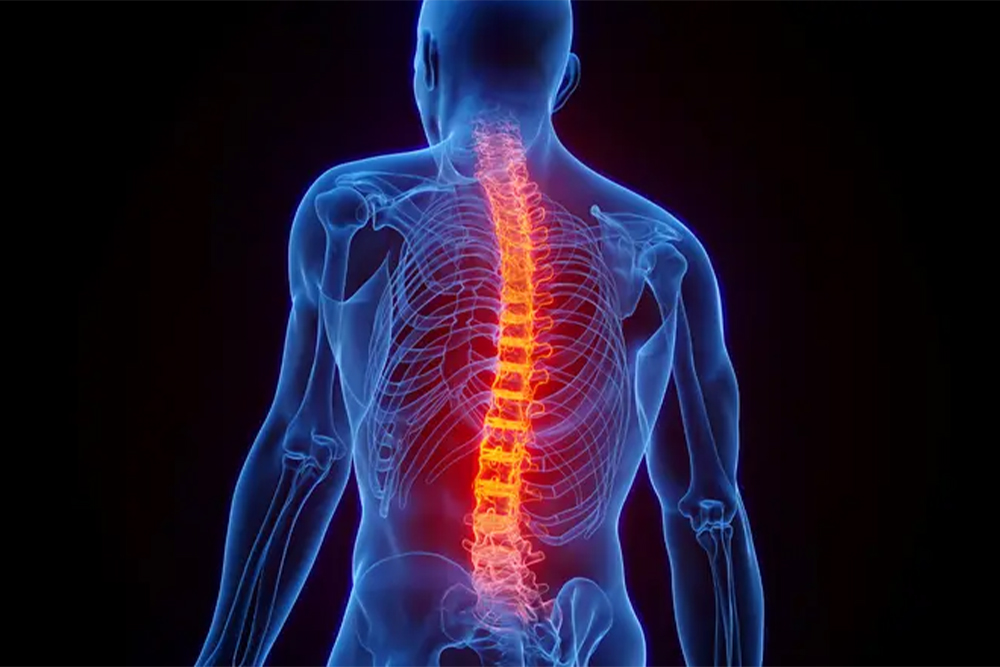
Back pain, neck pain, and nerve-related problems can affect your daily life. Simple activities such as walking, sitting, bending, or sleeping may become difficult when a spinal condition causes persistent discomfort. While many spine problems improve with non-surgical treatment, some may require surgery.
Minimally Invasive Spine Surgery in Bangalore is a treatment option for selected patients with certain spinal conditions. It uses specialised instruments and smaller incisions to reach the affected area of the spine. Depending on the condition, this approach may reduce damage to the surrounding muscles and tissues.
At Sattvik Spine, patients can consult a spine specialist to understand their symptoms, diagnosis, and available treatment options. The right treatment depends on the nature of the spinal problem, its severity, and the patient’s overall health.
What Is Minimally Invasive Spine Surgery?
Minimally invasive spine surgery (MISS) is a surgical approach used to treat specific conditions affecting the spine, spinal discs, and nearby nerves. Unlike many traditional open procedures, it uses smaller incisions and specialised instruments to access the affected area.
Surgeons may use a microscope, endoscope, or other imaging and guidance technologies, depending on the procedure. These tools help the surgeon view the surgical area and perform the required treatment with care.
The main goal is to treat the underlying spinal problem while limiting unnecessary disruption to the surrounding muscles and soft tissues.
However, minimally invasive surgery is not suitable for every spinal condition. Some patients may require traditional open surgery, while others may improve with medication, physiotherapy, activity changes, or other non-surgical treatments.
Minimally Invasive Spine Surgery vs. Traditional Open Surgery
Both minimally invasive and traditional open spine surgery aim to treat problems affecting the spine. The main difference is how the surgeon reaches the affected area.
Traditional open surgery may require a larger incision and greater exposure of the spinal structures. Minimally invasive procedures use smaller incisions and specialised instruments to access the treatment area.
Key differences may include:
- Incision size: Minimally invasive procedures generally use smaller incisions than comparable open procedures.
- Muscle disruption: Some minimally invasive techniques can reduce damage to the muscles around the spine.
- Blood loss: Blood loss may be lower in selected procedures, although this varies with the operation and the patient.
- Hospital stay: Some patients may be discharged sooner, depending on the procedure and their recovery.
- Recovery: Recovery time depends on the spinal condition, type of surgery, general health, and post-operative care.
Smaller incisions do not automatically mean that a procedure is safer or more effective for every patient. A spine surgeon must assess the condition and determine which approach is appropriate.
Conditions Treated with Minimally Invasive Spine Surgery
Minimally invasive techniques may be considered for several spinal conditions when non-surgical treatments do not provide enough relief or when surgery is medically necessary.
- Slipped Disc
A slipped disc, also called a herniated disc, occurs when the soft inner material of a spinal disc pushes through its outer layer. It may irritate or compress nearby nerves.
Symptoms can include back pain, neck pain, tingling, numbness, or pain that travels into an arm or leg. Some patients improve with non-surgical treatment. Others may need a procedure to remove the disc material pressing on a nerve.
- Spinal Canal Stenosis
Spinal canal stenosis refers to the narrowing of spaces within the spine. This narrowing may put pressure on the spinal cord or nerves.
Symptoms may include pain, numbness, weakness, or difficulty walking. Depending on the location and severity, a surgeon may recommend a decompression procedure to create more space for the affected nerves.
- Sciatica and Nerve Compression
Sciatica describes pain that travels along the sciatic nerve, often from the lower back into the buttock and leg. A slipped disc or spinal narrowing may cause this pain by compressing a nerve.
Treatment depends on the underlying cause. Surgery may be considered when symptoms remain severe despite appropriate treatment or when there is significant nerve compression.
- Selected Spinal Instability Conditions
Some patients develop spinal instability because of degenerative changes or other spinal problems. In selected cases, minimally invasive spinal fusion may be considered to stabilise the affected part of the spine.
The decision depends on the diagnosis, symptoms, imaging findings, and expected benefits and risks of surgery.
- Other Complex Spinal Conditions
Certain infections, fractures, tumours, and other spinal conditions may require surgery. However, the most appropriate surgical approach varies considerably. Minimally invasive techniques are suitable only for selected cases after careful assessment.
Types of Minimally Invasive Spine Surgery
Different procedures are used to treat different spinal problems. The choice depends on which structures are affected and what needs to be corrected.
Endoscopic Spine Surgery
Endoscopic spine surgery uses a thin tube with a camera and specialised instruments. The surgeon views the treatment area on a monitor and performs the required procedure through a small incision.
It may be used for selected cases of disc herniation and nerve compression. Suitability depends on the location of the problem and the patient’s clinical findings.
Minimally Invasive Discectomy
A discectomy involves removing the portion of a damaged or herniated disc that is pressing on a nerve. In a minimally invasive approach, the surgeon uses specialised instruments to access the affected disc through a smaller incision.
The aim is to relieve pressure on the nerve while preserving as much healthy surrounding tissue as possible.
Minimally Invasive Spinal Decompression
Spinal decompression surgery aims to create more space for compressed nerves or the spinal cord. The surgeon may remove small portions of bone, thickened tissue, or other structures contributing to the narrowing.
This procedure may be considered for selected patients with spinal stenosis or related conditions.
Minimally Invasive Spinal Fusion
Spinal fusion joins two or more vertebrae to provide stability. Depending on the diagnosis, the surgeon may use specialised instruments and implants through smaller incisions.
Fusion is not necessary for every patient with back pain. It is considered when the expected benefits justify the risks and the specific spinal condition supports this approach.
What are the Potential Benefits of Minimally Invasive Spine Surgery?
Minimally invasive spine surgery aims to treat the underlying spinal problem while limiting disruption to surrounding tissues.
Depending on the procedure and the patient’s condition, potential benefits may include:
- Smaller surgical incisions.
- Less disruption to certain muscles and soft tissues.
- Reduced blood loss in some procedures.
- Less post-operative discomfort in selected cases.
- A shorter hospital stay for some patients.
- Earlier movement and rehabilitation when clinically appropriate.
These benefits are not guaranteed. Every operation carries risks, including infection, bleeding, nerve injury, persistent symptoms, and complications related to anaesthesia. Some patients may also need further treatment or surgery.
A detailed consultation helps patients understand the likely benefits, limitations, and risks of the recommended procedure.
Who May Need Minimally Invasive Spine Surgery?
Not everyone with back or neck pain needs surgery. Most treatment plans begin with an assessment to identify the cause of the symptoms.
A spine specialist may consider surgery when:
- Pain continues despite appropriate non-surgical treatment.
- A herniated disc causes persistent nerve compression.
- Spinal stenosis significantly affects walking or daily activities.
- Nerve-related symptoms are worsening.
- Imaging findings match the patient’s symptoms and examination.
- A specific spinal condition requires surgical treatment.
The surgeon may review the patient’s medical history, physical examination, MRI or other imaging results, and previous treatment.
New or rapidly worsening muscle weakness, loss of bladder or bowel control, or numbness around the groin and inner thighs requires urgent medical assessment. These symptoms can indicate serious nerve compression and should not wait for a routine appointment.
What to Expect Before, During and After Surgery
Understanding the treatment process can help patients prepare for a consultation and make informed decisions.
Before Surgery
The surgeon will assess the symptoms, examine the spine, and review relevant imaging reports. Additional tests may be recommended depending on the patient’s health and the planned procedure.
Patients should discuss their medications, existing medical conditions, allergies, and previous surgeries. The surgeon will explain the treatment plan, expected outcomes, possible complications, and alternative options.
During Surgery
The procedure is usually performed under anaesthesia. The surgeon makes an incision and uses specialised instruments to reach the affected spinal area.
The exact steps depend on the type of surgery. An endoscopic procedure, a decompression operation, and a spinal fusion involve different techniques and surgical requirements.
After Surgery
Recovery varies from patient to patient. Some individuals may begin walking on the day of surgery, while others need more time and support.
The medical team will provide instructions about wound care, medication, physical activity, and follow-up visits. Physiotherapy may be recommended to help restore movement, strength, and function.
Patients should follow their surgeon’s advice about returning to work, driving, lifting, and exercising. Recovery should be based on clinical progress rather than a fixed timeline.
How to Choose a Spine Surgeon in Bangalore
Choosing a spine surgeon is an important step when considering surgical treatment. Patients should look for a qualified specialist who can explain the diagnosis and discuss suitable treatment options clearly.
Consider the following points before making a decision:
- Relevant qualifications: Check the surgeon’s medical qualifications and specialist training in spine surgery.
- Experience with the proposed procedure: Ask about the surgeon’s experience treating your specific spinal condition.
- Clear diagnosis: The surgeon should explain what is causing the symptoms and how the findings support the treatment plan.
- Discussion of alternatives: Understand whether medication, physiotherapy, injections, or other non-surgical options may be appropriate.
- Risks and recovery: Ask about potential complications, expected recovery, rehabilitation, and follow-up care.
- Hospital facilities: Consider the availability of appropriate surgical equipment, anaesthesia support, and post-operative care.
If you are looking for a Spine Surgeon in Bangalore, focus on finding a specialist who can evaluate your condition and recommend treatment based on your individual needs.
Spine Surgery in Bangalore at Sattvik Spine
Persistent back pain, a slipped disc, or nerve compression can affect daily activities and quality of life. Understanding the cause of these symptoms is the first step towards choosing appropriate treatment.
At Sattvik Spine, patients can seek an assessment for spinal conditions and discuss available treatment options with a spine specialist. The treatment plan should be based on the patient’s symptoms, examination findings, imaging results, and overall health.
If you are exploring Spine Surgery in Bangalore, a consultation can help you understand whether non-surgical care, minimally invasive surgery, or another treatment approach may be suitable.
Learn more about the available spine treatment options at Sattvik Spine.
Book a consultation with Sattvik Spine to discuss your symptoms and understand the next steps in your treatment.