How Modern Spine Surgery Continues to Improve Patient Safety
Back pain, neck pain, slipped discs, spinal deformities, and nerve compression affect millions of people worldwide. While many patients recover with medication and physiotherapy, some require surgery to relieve pain, restore movement, and improve their quality of life.
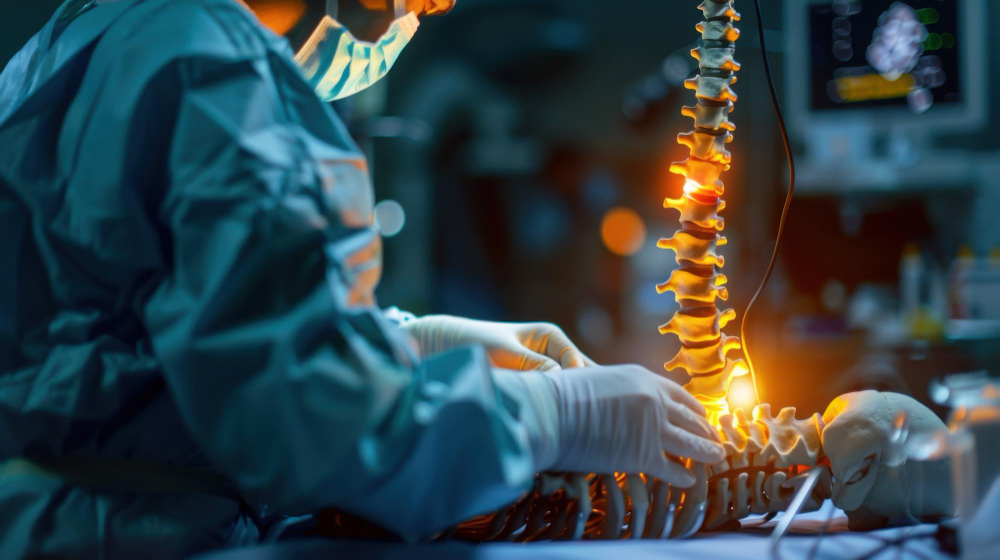
The good news is that spine surgery continues to evolve. In 2026, advancements in technology are making procedures more accurate, less invasive, and safer than ever before. Smaller incisions, improved imaging systems, artificial intelligence, and advanced endoscopic techniques are transforming how spine conditions are treated.
Unlike traditional open surgery, minimally invasive spine surgery focuses on preserving healthy muscles and tissues while treating the source of pain. This often leads to less blood loss, reduced postoperative pain, shorter hospital stays, and faster recovery.
Patients looking for a minimally invasive spine surgeon Bangalore often want a treatment option that combines modern technology with experienced surgical care. While technology plays an important role, successful outcomes also depend on proper diagnosis, careful planning, and the expertise of the surgeon.
In this article, we’ll explore the latest advances in minimally invasive spine surgery in 2026 and how these innovations are helping patients recover more comfortably and confidently.
What Is Minimally Invasive Spine Surgery?
Minimally invasive spine surgery (MISS) is a modern surgical technique designed to treat spine conditions through small incisions rather than the large cuts used in traditional open surgery.
Instead of separating large muscles to reach the spine, surgeons use specialized instruments, tubular retractors, microscopes, and high-definition cameras to access the affected area with minimal disruption to surrounding tissues.
This approach can be used to treat several common spine conditions, including:
- Herniated or slipped discs
- Lumbar spinal stenosis
- Sciatica
- Degenerative disc disease
- Spondylolisthesis
- Certain spinal fractures
- Selected spinal deformities
Not every patient is a candidate for minimally invasive surgery. The choice of treatment depends on the type of spine condition, its severity, the patient’s overall health, and imaging findings such as MRI or CT scans.
An experienced minimally invasive spine surgeon Bangalore will carefully evaluate these factors before recommending the most appropriate treatment plan.
Why More Patients Are Choosing Minimally Invasive Spine Surgery
Over the last decade, minimally invasive techniques have become increasingly popular because they offer several benefits when compared with traditional open surgery for appropriately selected patients.
Smaller Incisions
Modern surgical instruments allow surgeons to reach the affected area through much smaller skin openings. Smaller incisions generally result in less tissue damage and improved cosmetic healing.
Reduced Muscle Damage
Traditional surgery often requires larger muscle dissection. Minimally invasive techniques are designed to preserve surrounding muscles, which may reduce postoperative discomfort and support faster recovery.
Less Blood Loss
Because the surgery involves less disruption of healthy tissue, many minimally invasive procedures are associated with lower blood loss than conventional surgery.
Lower Risk of Infection
Smaller surgical wounds may reduce the risk of certain postoperative complications, including wound infections, when combined with proper surgical protocols.
Faster Recovery
Many patients begin walking within hours after surgery, depending on the procedure performed and their overall health. Hospital stays are often shorter, allowing patients to return to normal activities sooner under medical guidance.
Improved Patient Comfort
Reduced pain after surgery may decrease the need for strong pain medications and make rehabilitation more comfortable.
These benefits have made minimally invasive spine surgery an important treatment option for many people with spine disorders.
Advances in Minimally Invasive Spine Surgery
Medical technology continues to improve every year. In 2026, several innovations are helping spine surgeons perform procedures with greater precision while enhancing patient safety.
1. AI-Assisted Surgical Planning
Artificial intelligence is becoming an important support tool in spine care.
AI systems can analyze MRI and CT scans, identify anatomical structures, and assist surgeons in planning the safest surgical pathway before entering the operating room.
These technologies do not replace the surgeon’s judgment. Instead, they provide additional information that supports more informed decision-making.
Potential benefits include:
- Better preoperative planning
- Improved accuracy
- Personalized treatment strategies
- Enhanced surgical confidence
- Reduced planning time
As AI technology continues to develop, it is expected to play an even greater role in improving patient outcomes.
2. Advanced Endoscopic Spine Surgery
Endoscopic spine surgery is one of the most exciting developments in minimally invasive spine care.
Using a thin tube fitted with a high-definition camera and specialized instruments, surgeons can treat certain spine conditions through an incision that is often less than one centimeter.
Recent advances include:
- Higher-resolution endoscopic cameras
- Improved lighting systems
- Better surgical instruments
- Enhanced visualization of nerves and spinal structures
- More precise tissue removal
These improvements allow surgeons to perform complex procedures with greater confidence while preserving healthy tissue.
For selected patients with slipped discs or nerve compression, endoscopic techniques may offer excellent outcomes with quicker recovery.
3. Enhanced Recovery After Surgery (ERAS)
Recovery is no longer viewed as something that begins after surgery. Today, it starts before the procedure itself.
Enhanced Recovery After Surgery (ERAS) is a patient-centered approach that focuses on helping people recover safely and comfortably through every stage of treatment.
An ERAS program may include:
- Preoperative counselling
- Nutritional guidance
- Optimized pain management
- Early mobilization after surgery
- Personalized physiotherapy
- Reduced dependence on opioid medications
These protocols are helping many patients regain mobility sooner and return to daily activities with greater confidence.
Combined with minimally invasive techniques, ERAS has significantly improved the overall surgical experience for many patients.
4. Motion-Preserving Spine Procedures
Traditional spine surgery often involves spinal fusion, where two or more vertebrae are joined together to stabilize the spine.
In selected cases, newer motion-preserving procedures aim to treat the underlying problem while maintaining natural spinal movement.
These techniques may include:
- Artificial disc replacement
- Motion-preserving implants
- Targeted decompression procedures
- Tissue-preserving surgical approaches
The goal is to relieve nerve compression while maintaining as much normal movement as possible.
Not every patient is suitable for these procedures, but they represent an exciting advancement in spine care for carefully selected individuals.
Conditions That Can Be Treated with Modern Minimally Invasive Spine Surgery
Thanks to continuous technological advancements, minimally invasive techniques can now be used to treat a wide range of spine conditions.
These include:
Herniated (Slipped) Disc
When a disc presses on nearby nerves, patients may experience severe back pain, leg pain, numbness, or weakness. Endoscopic and minimally invasive procedures can remove the pressure while preserving surrounding tissues.
Lumbar Spinal Stenosis
Spinal stenosis occurs when the spinal canal narrows and compresses the nerves.
Modern minimally invasive decompression techniques can relieve this pressure through smaller incisions, helping patients walk more comfortably and reducing leg pain.
Sciatica
Sciatica is one of the most common reasons people visit a spine specialist.
When caused by a slipped disc or spinal narrowing, minimally invasive procedures may help relieve nerve compression and reduce radiating leg pain after conservative treatments have failed.
Degenerative Disc Disease
Age-related wear and tear can cause persistent back pain and reduced mobility.
Depending on the severity of the condition, minimally invasive procedures may help relieve symptoms while preserving healthy tissues.
Spondylolisthesis
When one vertebra slips over another, it can compress nerves and cause instability.
Modern navigation systems and minimally invasive stabilization techniques allow surgeons to treat many cases with greater precision than before.
Selected Cases of Scoliosis
Not every scoliosis patient requires surgery. However, when surgery becomes necessary, modern technologies such as navigation, robotics, and advanced imaging have improved surgical planning and precision.
Patients searching for a top scoliosis surgeon in Bangalore should seek an experienced spine specialist who can evaluate the condition thoroughly and recommend the most appropriate treatment approach based on the degree of spinal curvature, age, symptoms, and overall health.
Is Minimally Invasive Spine Surgery Right for Everyone?
Although minimally invasive surgery offers many advantages, it is not the right solution for every patient.
The most suitable treatment depends on several factors, including:
- The type of spine condition
- Severity of nerve compression
- Overall spinal stability
- Previous spine surgeries
- Age and general health
- MRI and CT scan findings
- Response to non-surgical treatments
A detailed clinical examination and imaging assessment help determine whether minimally invasive surgery is the best option or if another treatment approach would provide better long-term results.
Why Surgeon Experience Matters More Than Technology
Modern technology has transformed spine surgery, but technology alone cannot replace clinical expertise.
Artificial intelligence, robotic systems, navigation platforms, and advanced imaging are valuable tools that support the surgeon throughout the procedure. However, every important decision—from diagnosis and patient selection to surgical planning and postoperative care—relies on the surgeon’s knowledge and experience.
Choosing a Top spine surgeon in Bangalore means looking beyond the latest technology. Patients should also consider the surgeon’s training, years of experience, expertise in minimally invasive techniques, patient outcomes, and commitment to personalized care.
An experienced surgeon knows when minimally invasive surgery is appropriate, when another approach may be more beneficial, and how to tailor treatment to each patient’s unique condition.
Choosing the Right Spine Surgeon
If you are considering spine surgery, choosing the right specialist is one of the most important decisions you can make.
Here are a few factors to consider:
Experience
Look for a surgeon with extensive experience in diagnosing and treating a wide range of spine conditions using modern surgical techniques.
Advanced Technology
Choose a hospital or spine center equipped with high-quality imaging systems, navigation technology, and advanced surgical equipment.
Personalized Treatment
Every patient is different. A good spine surgeon will recommend surgery only when necessary and explain all available treatment options.
Comprehensive Care
The best outcomes often come from a multidisciplinary approach that includes physiotherapy, pain management, rehabilitation, and long-term follow-up.
Many patients looking for Spine surgeons in Bangalore also seek specialists who combine advanced technology with a patient-first approach to treatment.
Why Early Evaluation Makes a Difference
Many people ignore persistent back pain or neck pain, hoping it will improve on its own.
While many spine conditions respond well to conservative treatment, delaying medical evaluation can sometimes allow symptoms to worsen, leading to increased nerve compression, muscle weakness, or reduced mobility.
Seeking medical advice early allows for accurate diagnosis and timely treatment, which may reduce the need for more extensive procedures in the future.
Conclusion
Minimally invasive spine surgery has come a long way, and the innovations seen in 2026 are making treatment safer, more precise, and more patient-friendly than ever before. Advances such as AI-assisted surgical planning, advanced endoscopic techniques, 3D navigation, robotic assistance, and enhanced recovery protocols are helping improve surgical accuracy while supporting faster recovery.
However, technology is only one part of successful spine care. Accurate diagnosis, careful patient selection, and the experience of the treating surgeon remain equally important.
If you have persistent back pain, neck pain, sciatica, or a spinal condition that has not improved with conservative treatment, consulting an experienced spine specialist can help you understand your options and determine whether minimally invasive surgery is right for you.
If you are looking for a Minimally invasive spine surgeon Bangalore, Dr Yogesh K Pithwa offers comprehensive evaluation and personalized treatment plans based on each patient’s condition, helping individuals make informed decisions about their spine health.