
How Modern Spine Surgery Continues to Improve Patient Safety
Spine surgery is changing rapidly. Every year, surgeons, researchers, and healthcare professionals meet to discuss new techniques, better technologies, and safer treatment methods. One such important event was the MISSABCON 2026 conference – Spine Endoscopy Surgery, where experts shared the latest developments in minimally invasive spine care.
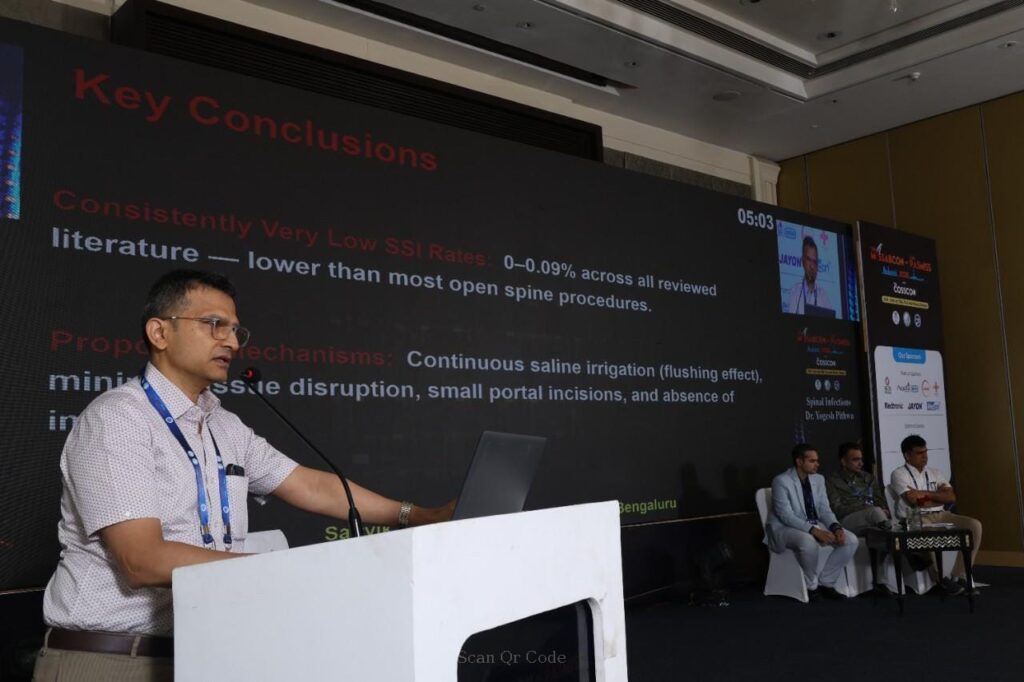
One of the most valuable topics discussed during the conference was infection control in endoscopic spine surgery. While endoscopic spine surgery is already known for using very small incisions, the conference highlighted how proper infection prevention protocols can make patient outcomes even safer.
For patients looking for Spine surgeons in Bangalore, understanding these advancements can help them make informed decisions when choosing the right specialist.
Why MISSABCON 2026 Matters in Spine Surgery
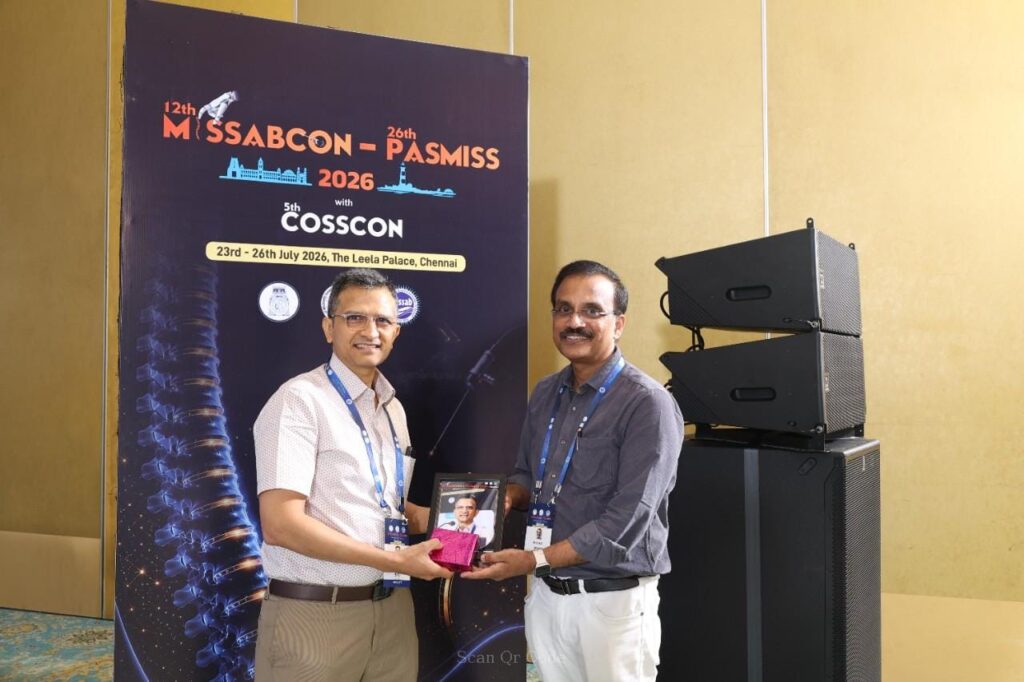
MISSABCON (Minimally Invasive Spine Surgery Association Conference) is one of the important academic platforms where experienced spine surgeons exchange knowledge, discuss clinical research, and learn about evolving surgical practices.
The MISSABCON 2026 conference – Spine Endoscopy Surgery focused on several important areas, including:
- Advances in spinal endoscopy
- Better surgical visualization
- New endoscopic instruments
- Patient safety improvements
- Infection prevention strategies
- Clinical outcomes from minimally invasive procedures
- Real-world surgical case discussions
These discussions help surgeons continuously refine their techniques and deliver better care to patients.
Infection Control in Endoscopic Spine Surgery - A Major Discussion
One of the key highlights of the conference was infection control in endoscopic spine surgery.
Although endoscopic procedures already involve smaller surgical wounds compared to traditional open surgery, preventing infection remains an important priority.
Experts discussed several areas that contribute to safer surgical outcomes.
Careful Patient Preparation
Proper patient preparation before surgery helps reduce infection risk.
This includes:
- Medical evaluation
- Blood sugar control
- Skin preparation
- Reviewing existing infections
- Appropriate antibiotic protocols
These steps are planned before the procedure begins.
Maintaining a Sterile Surgical Environment
Modern operating rooms follow strict sterilization standards.
The conference emphasized:
- Sterile surgical instruments
- Controlled operating room environments
- Standard infection prevention protocols
- Proper handling of endoscopic equipment
Every member of the surgical team plays an important role in maintaining patient safety.
Advanced Endoscopic Techniques
Because endoscopic spine surgery uses a very small incision, there is generally:
- Less tissue exposure
- Reduced muscle damage
- Lower blood loss
- Faster wound healing
These factors may also contribute to reducing certain surgical risks when combined with proper infection control practices.
Postoperative Care Matters Too
Preventing infection does not end after surgery.
Experts highlighted:
- Proper wound care
- Early follow-up
- Patient education
- Monitoring healing
- Timely management of any warning signs
Good communication between the patient and surgeon remains an essential part of recovery.
Why Endoscopic Spine Surgery Continues to Grow
Many spine conditions can now be treated using minimally invasive techniques.
Some advantages may include:
- Smaller incision
- Less muscle disruption
- Reduced postoperative discomfort
- Shorter hospital stay for selected patients
- Faster return to normal activities
- Better cosmetic healing
However, not every patient is suitable for endoscopic surgery. A detailed clinical examination and imaging studies help determine the most appropriate treatment.
Patients searching for endoscopic spine surgery Jayanagar Bangalore should always choose a surgeon who evaluates every case individually instead of recommending one solution for everyone.
The Importance of Continuous Medical Learning
Medicine evolves continuously.
Experienced surgeons regularly attend conferences, workshops, and advanced training programs to stay updated with new evidence and surgical innovations.
Participation in conferences such as the MISSABCON 2026 conference – Spine Endoscopy Surgery reflects a commitment to:
- Evidence-based practice
- Patient safety
- Continuous learning
- Modern surgical techniques
- Improved clinical outcomes
Learning from national and international experts ultimately benefits patients through better treatment planning and refined surgical approaches.
Dr. Yogesh K. Pithwa's Commitment to Advanced Spine Care
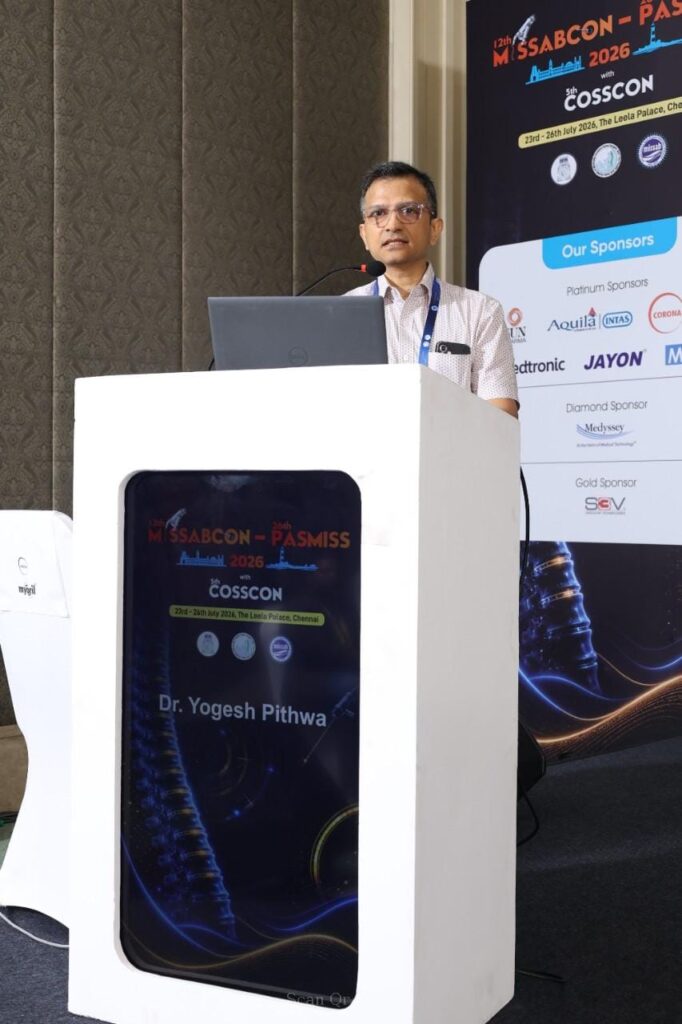
Dr. Yogesh K. Pithwa has dedicated his career to delivering patient-focused spine treatment through evidence-based care and modern surgical techniques.
As a specialist in minimally invasive spine procedures, Dr. Yogesh K. Pithwa believes that ongoing education is an important part of providing high-quality healthcare. Participation in academic conferences and professional discussions allows experienced surgeons to continually enhance their knowledge and stay informed about evolving standards of care.
Patients seeking a Minimally invasive spine surgeon Bangalore often value surgeons who actively engage with the latest advancements while maintaining a personalized approach to treatment.
Every patient receives a comprehensive evaluation to determine whether conservative care, minimally invasive procedures, or other surgical options are the most appropriate path.
Choosing the Right Spine Surgeon
Selecting a spine surgeon involves more than choosing someone who performs surgery.
Look for a specialist who:
- Has extensive experience in spine disorders
- Understands minimally invasive techniques
- Participates in continuous medical education
- Uses evidence-based treatment plans
- Explains treatment options clearly
- Focuses on patient safety
- Provides individualized care
These qualities help patients feel confident throughout their treatment journey.
Looking Ahead
The discussions at the MISSABCON 2026 conference – Spine Endoscopy Surgery demonstrate how modern spine surgery continues to advance not only through innovative technology but also through stronger infection prevention practices and improved patient safety protocols.
As research continues and surgeons collaborate through academic conferences, patients benefit from safer procedures, refined surgical techniques, and better overall outcomes.
For individuals experiencing persistent back pain, leg pain, or spinal conditions, consulting an experienced spine specialist is the first step toward understanding the most appropriate treatment options.
Frequently Asked Questions
One of the important discussions focused on infection control in endoscopic spine surgery, along with advancements in minimally invasive techniques, surgical technology, patient safety, and improving clinical outcomes.
Proper infection prevention helps reduce surgical complications and supports better healing. It includes careful patient preparation, sterile surgical practices, standardized protocols, and postoperative care.
No. The suitability of endoscopic spine surgery depends on the patient's spinal condition, overall health, imaging findings, and clinical evaluation by an experienced spine surgeon.
Minimally invasive spine surgery generally uses smaller incisions with less disruption to muscles and surrounding tissues, which may support faster recovery in appropriately selected patients.
Participation in conferences allows surgeons to stay informed about the latest evidence, technologies, and patient safety practices, helping them continually refine their clinical approach