Our bones, muscles, joints and spine work together to support the body and help us move. These structures play an important role in everyday activities such as walking, sitting, standing, bending and lifting objects.
However, poor posture, ageing, injuries, lack of physical activity and certain medical conditions can affect musculoskeletal health. Some of these problems may lead to persistent back pain, neck pain, stiffness and difficulty moving.
Understanding musculoskeletal health is important for identifying problems early and choosing suitable treatment. If you experience ongoing back pain or difficulty with movement, consulting a qualified specialist can help identify the underlying cause.
At Sattvik Spine, the focus is on understanding spinal conditions, accurate diagnosis and selecting appropriate treatment based on each patient’s clinical needs.
What Is Orthopedics & Musculoskeletal Health?
Orthopedics is a medical speciality concerned with conditions affecting the bones, joints, muscles, ligaments, tendons and related structures.
Musculoskeletal health refers to the proper functioning of these structures. Together, they support body movement, maintain posture and provide stability.
The musculoskeletal system includes:
- Bones: Provide body structure, protect internal organs and support movement.
- Muscles: Help the body move and maintain stability.
- Joints: Connect bones and allow different types of movement.
- Ligaments: Connect bones and help stabilise joints.
- Tendons: Connect muscles to bones and help produce movement.
- Spine: Supports the upper body, protects the spinal cord and allows flexibility.
Problems affecting any of these structures can cause pain, weakness, stiffness or reduced mobility.
According to the World Health Organization (WHO), approximately 1.71 billion people worldwide live with musculoskeletal conditions. These conditions are also a major contributor to disability across different age groups.
This highlights the importance of maintaining good musculoskeletal health throughout life.
How Does Musculoskeletal Health Affect Your Spine?
The spine is an important part of the musculoskeletal system. It consists of small bones called vertebrae, intervertebral discs, joints, ligaments and supporting muscles.
These structures work together to support body weight, allow movement and protect the spinal cord.
When any part of this system becomes damaged or affected by a medical condition, it may lead to spinal problems.
Some common factors that affect spinal health include:
- Age-Related Changes
As people grow older, spinal discs may lose some of their water content and flexibility. This can contribute to disc degeneration and other age-related spinal conditions.
- Poor Posture
Sitting for long hours, improper workstation arrangements and incorrect lifting techniques may contribute to muscle strain and back discomfort.
- Muscle Weakness
Weak abdominal and back muscles may affect spinal support and movement. Regular physical activity and appropriate strengthening exercises can help maintain muscle function.
- Bone Health Problems
Conditions such as osteoporosis can reduce bone strength. In some cases, weakened spinal bones may develop compression fractures.
- Injuries
Falls, accidents and sports injuries can affect spinal bones, discs, muscles and ligaments. The severity depends on the type and extent of the injury.
Common Spine Problems That Require Medical Attention
Spinal conditions can affect people of different age groups. Some develop gradually, while others occur following an injury.
The following are common conditions associated with spinal health.
- Slipped Disc
A slipped disc, commonly called a herniated or prolapsed disc, occurs when the soft inner material of a spinal disc moves through a weakened area of its outer covering.
It may irritate or compress nearby nerves.
Common symptoms include:
- Lower back or neck pain
- Pain spreading into the arms or legs
- Tingling or numbness
- Muscle weakness
- Discomfort while sitting, bending or walking
Treatment depends on the severity of symptoms and the clinical findings. Many patients improve with non-surgical treatment, while selected cases may require surgery.
- Sciatica
Sciatica refers to pain that travels along the path of the sciatic nerve, usually from the lower back through the buttock and into one leg.
It commonly occurs due to irritation or compression of the nerve roots in the lower spine.
Symptoms may include sharp or burning pain, tingling, numbness and weakness in the affected leg.
A proper medical assessment helps identify the cause and determine suitable treatment.
- Cervical Spondylosis
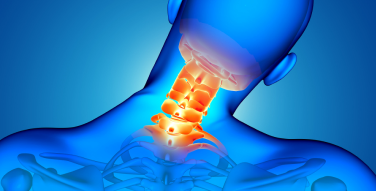
Cervical spondylosis refers to age-related changes affecting the discs and joints in the neck.
These changes may cause neck stiffness, discomfort and restricted movement. In some cases, nerve compression can lead to pain, numbness or weakness in the arms.
Treatment depends on the symptoms and whether the spinal cord or nerves are affected.
- Scoliosis
Scoliosis is a condition in which the spine develops an abnormal sideways curve.
It may occur during childhood or adolescence, although adults can also develop scoliosis due to degenerative changes.
Some people experience no noticeable symptoms, while others may develop back discomfort, posture changes or difficulty with movement.
Regular assessment helps monitor the condition and determine whether treatment is required.
- Spondylolisthesis
Spondylolisthesis occurs when one vertebra slips forward over the vertebra below it.
It may cause lower back pain, stiffness and, in some cases, nerve-related symptoms such as pain or weakness in the legs.
Treatment depends on the degree of slippage, symptoms and overall spinal stability.
When Should You Consult a Back Problem Doctor in Bengaluru?
Occasional back discomfort may improve with rest and appropriate self-care. However, persistent or recurring pain should not be ignored.
Consider consulting a back problem doctor in Bengaluru if you experience:
- Back pain that continues or frequently returns
- Pain spreading from the back into the legs
- Neck pain accompanied by arm discomfort
- Tingling or numbness in the arms or legs
- Difficulty standing or walking for long periods
- Reduced movement or flexibility
- Back pain following an injury
Seek urgent medical attention if you experience new bladder or bowel control problems, numbness around the groin or saddle area, or rapidly progressing leg weakness. These may indicate serious nerve compression requiring emergency assessment.
Early medical evaluation can help identify the underlying problem and guide appropriate treatment.
What Are the Available Backache Treatment Options in Bengaluru?
Backache treatment in Bengaluru depends on the cause of pain, its severity, the patient’s medical history and examination findings.
There is no single treatment suitable for every back problem. A specialist may recommend one or more of the following approaches.
- Medication
Depending on the diagnosis, doctors may recommend suitable medicines to manage pain and inflammation.
Medication should be taken under medical guidance, particularly when symptoms persist.
- Physiotherapy
Physiotherapy may help improve flexibility, muscle strength, posture and movement.
A physiotherapist may recommend exercises based on the patient’s condition and physical ability.
- Lifestyle Modifications
Some lifestyle changes may help support spinal health:
- Avoid sitting continuously for long periods.
- Maintain a comfortable sitting posture.
- Include suitable physical activity in your routine.
- Use correct techniques while lifting objects.
- Maintain a healthy body weight.
- Follow an appropriate exercise programme.
- Minimally Invasive Spine Surgery
Some spinal conditions may require surgery when non-surgical treatment does not provide sufficient relief or when significant nerve compression or neurological problems are present.
Minimally invasive spine surgery uses specialised instruments and smaller surgical incisions compared with traditional open procedures.
Depending on the condition, it may involve procedures such as endoscopic discectomy or other minimally invasive techniques.
Potential benefits in appropriately selected patients may include:
- Smaller surgical incisions
- Less disruption to surrounding tissues
- Reduced blood loss in some procedures
- Potentially shorter hospital stays
- Recovery based on the procedure and individual health factors
Not every patient is suitable for minimally invasive surgery. The decision should be based on clinical examination, imaging findings and the expected benefits and risks.
How to Choose a Back Specialist in Bengaluru?
Choosing a suitable back specialist in Bengaluru is an important step when dealing with persistent spinal problems.
Consider the following factors before selecting a specialist:
Relevant clinical expertise: Look for a doctor with experience in evaluating and treating the spinal condition you are experiencing.
Accurate diagnosis: A proper assessment should include medical history, physical examination and imaging tests when clinically required.
Understanding treatment options: A specialist should explain suitable non-surgical and surgical options, including their potential benefits and risks.
Individualised treatment planning: Treatment should consider the patient’s age, medical history, symptoms and daily activities.
Follow-up and rehabilitation: Recovery may require regular monitoring and a suitable rehabilitation plan.
People searching online for the Best spine surgeon in Bangalore should look beyond search rankings or promotional claims. Relevant qualifications, clinical experience, treatment approach and suitability for the individual condition are important considerations.
Why Consider Sattvik Spine for Spine Evaluation?
Sattvik Spine focuses on specialised spine care and the evaluation of conditions affecting the cervical, thoracic and lumbar regions of the spine.
Dr. Yogesh K. Pithwa is associated with the centre and provides clinical expertise in the assessment and management of spinal conditions.
The approach to spine care includes understanding the patient’s symptoms, identifying the underlying condition and discussing appropriate treatment options.
Depending on the diagnosis, treatment may involve non-surgical management, rehabilitation or surgical intervention.
Patients experiencing persistent back pain, neck pain, slipped disc symptoms or other spinal concerns can seek a specialist evaluation to understand their condition and available treatment options.
Why Choose Specialist Evaluation for Spine Problems?
Spinal conditions can be complex. Patients with similar symptoms may require different treatment approaches.
At Sattvik Spine & Scoliosis Center, Jayanagar, Bengaluru, Dr. Yogesh K. Pithwa provides specialised evaluation and treatment for various spinal conditions, including slipped discs, sciatica, nerve compression, spinal stenosis, scoliosis and spinal deformities.
His approach focuses on accurate diagnosis, patient education and selecting appropriate surgical or non-surgical treatment options.
For patients looking for a specialist for back problems in Bengaluru, understanding the underlying condition and available treatment options is an important first step.
Frequently Asked Questions
What is the difference between orthopedics and musculoskeletal health?
Orthopedics is a medical speciality that deals with conditions affecting bones, joints, muscles, ligaments and tendons. Musculoskeletal health refers to the overall functioning and well-being of these structures.
When should I consult a back specialist in Bengaluru?
You should consider consulting a specialist if back pain persists, frequently returns, spreads into the legs or is associated with numbness, tingling or weakness.
Can a slipped disc improve without surgery?
Yes. Many slipped disc cases improve with non-surgical treatment, including suitable medication, activity modification and physiotherapy. Surgery may be considered in selected cases.
Is minimally invasive spine surgery suitable for everyone?
No. Suitability depends on the spinal condition, its severity, imaging findings and the patient’s overall health. A specialist evaluation is necessary before considering surgery.
What causes recurring back pain?
Recurring back pain may be associated with muscle strain, disc problems, degenerative spinal changes, poor posture, injuries or other medical conditions. A clinical assessment helps identify the cause.
How can I maintain good musculoskeletal health?
Regular physical activity, suitable strengthening exercises, a balanced diet, healthy body weight and appropriate posture can support musculoskeletal health.
Conclusion
Musculoskeletal health plays an important role in maintaining mobility, independence and quality of life. Since the spine is a central part of the musculoskeletal system, taking care of spinal health is essential.
Persistent back pain, neck discomfort, nerve-related symptoms and reduced mobility may indicate an underlying spinal condition that requires medical evaluation.
Understanding the condition, receiving an accurate diagnosis and choosing an appropriate treatment plan can help patients make informed decisions about their spinal health.
If you are experiencing ongoing back or neck problems, consider consulting a qualified spine specialist to understand the available treatment options.
Sattvik Spine provides specialised spine care and clinical evaluation for people experiencing different spinal conditions.