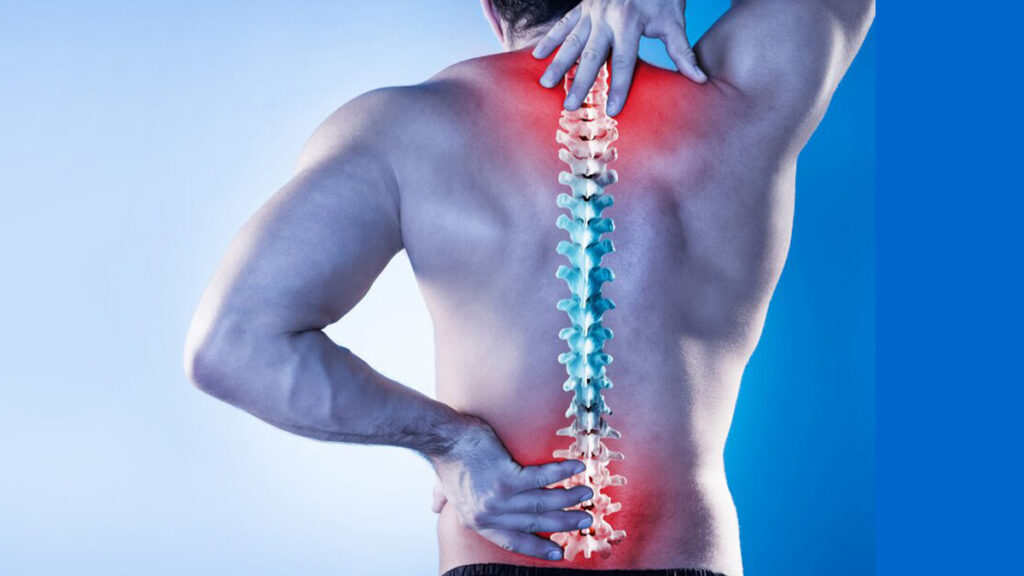
Spinal deformities are more common than many people realize. While some patients develop spine curvature problems during childhood, many adults experience spinal deformities later in life due to aging, degeneration, injuries, or untreated spinal conditions.
A spinal deformity does not only affect posture or appearance. In many cases, it can cause chronic back pain, walking difficulty, nerve compression, breathing problems, and reduced quality of life. Thankfully, modern spine care offers advanced diagnostic methods and effective treatment options that can help patients regain mobility, confidence, and comfort.
At Sattvik Spine, we help patients understand the complete spectrum of spinal deformities and provide personalized treatment plans based on the severity of the condition and the patient’s lifestyle goals.
If you are searching for expert care related to Spinal deformity symptoms and treatment, this guide will help you understand the condition in simple and patient-friendly language.
Whether you are looking for Deform spine correction in Bengaluru or specialized Spinal deformity correction in Jayanagar, understanding your condition is the first step toward recovery.
What is Spinal Deformity? Understanding the Spectrum
A spinal deformity refers to an abnormal curvature or alignment of the spine. A healthy spine has natural curves that help balance body weight and support movement. However, when these curves become excessive, uneven, or abnormal, it may lead to pain, imbalance, and nerve-related symptoms.
Spinal deformities can affect:
- Children
- Teenagers
- Adults
- Elderly patients
Some deformities remain mild and stable, while others may worsen over time if left untreated.
The condition can affect different parts of the spine, including:
- Cervical spine (neck)
- Thoracic spine (upper back)
- Lumbar spine (lower back)
Patients often visit a back specialist in Jayanagar after noticing visible posture changes, uneven shoulders, persistent back pain, or difficulty standing straight.
Modern spine treatment focuses not only on correcting the curve but also on improving function, comfort, and quality of life.
Types of Spinal Deformity
Understanding the Types of spinal deformities helps patients recognize symptoms early and seek timely treatment.
Scoliosis (Lateral Curve)
Scoliosis is one of the most common spinal deformities. It causes the spine to curve sideways instead of remaining straight.
Visual Appearance
- Uneven shoulders
- Tilted hips
- Rib prominence on one side
- Curved posture
Common Causes
- Idiopathic scoliosis (unknown cause)
- Degenerative scoliosis in adults
- Congenital spine abnormalities
- Neuromuscular disorders
Adult scoliosis may worsen gradually due to aging and disc degeneration.
Many patients seeking Spinal deformity correction in Jayanagar are diagnosed with degenerative scoliosis after years of untreated spine wear and tear.
Kyphosis (Hunchback)
Kyphosis causes excessive forward rounding of the upper back.
Visual Appearance
- Rounded shoulders
- Hunched posture
- Difficulty standing upright
Common Causes
- Poor posture
- Osteoporosis
- Vertebral fractures
- Congenital conditions
- Scheuermann’s disease
Severe kyphosis may affect breathing, walking balance, and daily activities.
Lordosis (Swayback)
Scoliosis is one of the most common spinal deformities. It causes the spine to curve sideways instead of remaining straight.
Visual Appearance
- Prominent lower back curve
- Forward-leaning abdomen
- Difficulty standing comfortably
Common Causes
- Obesity
- Muscle imbalance
- Degenerative spine conditions
- Hip problems
Mild lordosis may not cause symptoms, but severe cases can lead to chronic pain and mobility problems.
Flatback Syndrome
Flatback syndrome occurs when the normal curve of the lower spine is lost.
Visual Appearance
- Stooped posture
- Difficulty standing straight
- Leaning forward while walking
Common Causes
- Previous spine surgery
- Degenerative changes
- Ankylosing spondylitis
Patients often feel tired while standing or walking for long periods.
Kyphoscoliosis
Kyphoscoliosis is a combination of scoliosis and kyphosis.
This means the spine curves sideways and forward simultaneously.
Visual Appearance
- Severe posture imbalance
- Rib hump
- Uneven shoulders
- Twisted spine appearance
Common Causes
- Congenital abnormalities
- Neuromuscular conditions
- Progressive spinal disorders
Severe kyphoscoliosis may affect lung function and physical endurance.
Patients looking for advanced Deform spine correction in Bengaluru often require detailed evaluation and personalized surgical planning for complex deformities like kyphoscoliosis.
Spinal Deformity Symptoms
Symptoms vary depending on the severity and type of spinal deformity.
Some patients notice only cosmetic changes initially, while others develop severe pain and nerve-related problems.
Common Spinal deformity symptoms and treatment concerns include:
Postural Changes
Many patients first notice changes such as:
- Uneven shoulders
- Tilted pelvis
- Forward bending posture
- Visible spine curvature
Friends or family members often notice these changes before the patient does.
Back Pain
Back pain is one of the most common complaints in adults with spinal deformities.
Pain may worsen during:
- Prolonged standing
- Walking
- Sitting
- Physical activity
Degenerative spinal deformities can place extra stress on muscles and joints.
Rib Hump
In scoliosis, one side of the rib cage may protrude more prominently when bending forward.
This happens due to rotation of the spine.
Uneven Shoulders or Hips
Many patients notice:
- One shoulder higher than the other
- Uneven waistline
- One hip appearing elevated
These changes may gradually become more visible over time.
Neurological Symptoms
Severe deformities may compress spinal nerves or the spinal cord.
Symptoms may include:
- Leg pain
- Numbness
- Tingling
- Weakness
- Difficulty walking
- Balance issues
In advanced cases, bladder or bowel symptoms may occur.
Patients experiencing neurological symptoms should consult a Spine Surgeon in Jayanagar immediately for proper evaluation.
Causes of Spinal Deformity
Congenital Causes
Some patients are born with abnormal spinal development.
Congenital spinal deformities occur due to improper formation of vertebrae during fetal development.
Idiopathic Causes
Idiopathic deformities have no clearly identifiable cause.
This is especially common in adolescent scoliosis.
Neuromuscular Causes
Conditions affecting nerves and muscles can weaken spinal support.
Examples include:
- Cerebral palsy
- Muscular dystrophy
- Parkinson’s disease
These disorders may lead to progressive spinal curvature.
Degenerative Causes
Degenerative spinal deformities are common in older adults.
Aging can cause:
- Disc degeneration
- Arthritis
- Osteoporosis
- Ligament weakening
This may result in scoliosis, kyphosis, or flatback syndrome.
Patients visiting a Top spine surgeon in Bangalore commonly seek treatment for age-related spinal imbalance and chronic pain.
Post-Traumatic Causes
Spinal injuries and fractures can alter spinal alignment.
Trauma-related deformities may develop after:
- Falls
- Road accidents
- Osteoporotic fractures
Early treatment is important to prevent worsening curvature.
Diagnosis
Accurate diagnosis is essential for planning the right treatment.
At Sattvik Spine, evaluation begins with a detailed physical examination and imaging studies.
Physical Examination
The spine specialist assesses:
- Posture
- Shoulder alignment
- Pelvic balance
- Walking pattern
- Flexibility
- Neurological function
The severity of the deformity and functional limitations are carefully evaluated.
X-Ray and Cobb Angle
Standing spine X-rays help measure spinal curvature.
The Cobb angle is commonly used to determine:
- Curve severity
- Progression risk
- Treatment planning
Larger Cobb angles usually indicate more significant deformity.
MRI for Neural Involvement
MRI scans help evaluate:
- Nerve compression
- Disc problems
- Spinal cord involvement
- Soft tissue structures
MRI is especially important when patients have numbness, weakness, or severe pain.
Patients seeking Spinal deformity correction in Jayanagar often undergo advanced imaging to understand the complete spinal alignment before treatment planning.
Non-Surgical Treatment
Not all spinal deformities require surgery.
Many mild to moderate cases can be managed successfully with conservative treatment.
Bracing
Braces may help:
- Prevent curve progression
- Improve posture
- Reduce discomfort
Bracing is more commonly used in younger patients, but selected adults may benefit as well.
Physiotherapy
Physiotherapy improves:
- Core strength
- Flexibility
- Balance
- Posture
Structured rehabilitation programs can significantly improve quality of life.
Schroth Method
The Schroth Method is a specialized physiotherapy approach designed for scoliosis management.
It focuses on:
- Breathing techniques
- Postural correction
- Muscle balance
- Spine stabilization
At Sattvik Spine, rehabilitation programs are customized according to each patient’s condition and lifestyle goals.
Patients consulting a back specialist in Jayanagar often benefit from early physiotherapy intervention before the condition worsens.
Surgical Treatment at Sattvik Spine
Surgery may be recommended when:
- The deformity progresses rapidly
- Pain becomes severe
- Nerve compression develops
- Walking becomes difficult
- Non-surgical treatment fails
Modern spinal deformity surgery focuses on restoring alignment while preserving mobility and function whenever possible.
Types of Corrective Surgery
Depending on the condition, procedures may include:
- Spinal fusion
- Decompression surgery
- Osteotomy procedures
- Instrumented deformity correction
The treatment plan is individualized based on spinal balance and patient health.
Implant Options
Advanced implants improve correction accuracy and spinal stability.
These may include:
- Pedicle screws
- Rod systems
- Interbody cages
- Navigation-assisted systems
Modern technology allows safer and more precise correction.
Dr Pithwa’s Approach
At Sattvik Spine, Dr Pithwa follows a patient-centered and evidence-based treatment philosophy.
Our focus includes:
- Personalized planning
- Advanced imaging guidance
- Minimally invasive techniques when suitable
- Faster recovery support
- Long-term spine health
Patients looking for the Best spine surgeon in Bangalore often seek a balance of surgical expertise, compassionate communication, and modern technology.
Spinal Deformity Correction in Bangalore
Bangalore has become an important destination for advanced spine care and deformity correction.
Patients from across Karnataka visit the city for specialized treatment and modern spine surgery options.
At Sattvik Spine, we provide comprehensive spine care for patients from:
- Jayanagar
- Banashankari
- JP Nagar
- Basavanagudi
- South Bangalore
Patients searching for Spinal deformity correction in Jayanagar benefit from access to advanced diagnostics, rehabilitation, and personalized surgical care close to home.
For individuals looking for Deform spine correction in Bengaluru, choosing an experienced spine specialist is important for achieving safe and long-term outcomes.
Frequently Asked Questions (FAQs)
Common early signs include uneven shoulders, posture changes, back pain, rib hump, and leaning to one side.
Yes. Degenerative scoliosis can develop in adults due to aging, arthritis, and disc degeneration.
No. Some mild deformities cause little discomfort, while severe deformities may lead to significant pain and nerve symptoms.
Physiotherapy may improve posture, flexibility, and pain control, especially in mild to moderate cases.
Surgery may be required when the curve progresses, pain becomes severe, or neurological symptoms develop.
Kyphosis is an excessive forward curvature of the upper spine that creates a rounded back appearance.
Flatback syndrome occurs when the lower spine loses its natural curve, making it difficult to stand upright.
Some forms of scoliosis may have a genetic component, although the exact cause is often unknown.
Diagnosis involves physical examination, X-rays, Cobb angle measurement, and MRI scans if nerve involvement is suspected.
Patients seeking advanced spine care can consult experienced specialists offering Spinal deformity correction in Jayanagar and surrounding areas of Bangalore.
Conclusion
Spinal deformities can affect posture, mobility, confidence, and overall quality of life. However, early diagnosis and proper treatment can make a significant difference.
Today, modern spine care offers effective non-surgical therapies, advanced rehabilitation methods, and sophisticated surgical correction techniques for patients with mild to severe deformities.
At Sattvik Spine, we are committed to providing compassionate, patient-focused care using advanced technology and evidence-based treatment approaches. Whether you are experiencing posture changes, chronic back pain, or complex spinal imbalance, our team is here to guide you through every step of your recovery journey.
If you are searching for a trusted Top spine surgeon in Bangalore, experienced Spine Surgeon in Jayanagar, or expert care for Spinal deformity symptoms and treatment, early consultation can help you understand the best options available for your condition.
Your spine health matters and the right treatment can help you move, stand, and live with greater confidence again.
Do not wait For to condition get worse. Seek expert advise from the right doctor..