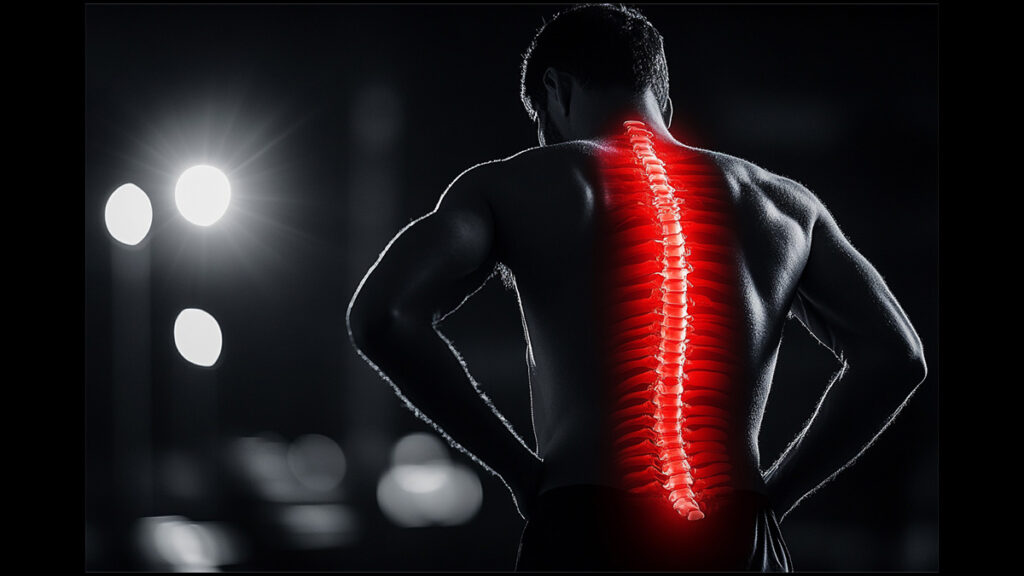
Back pain and leg pain are among the most common reasons people visit a spine clinic. Many patients often use the terms “slipped disc” and “sciatica” interchangeably, assuming they are the same condition. However, they are different medical problems although they are closely related.
A slipped disc is a structural problem in the spine, while sciatica refers to nerve pain that usually occurs because of pressure on the sciatic nerve. Understanding the difference helps patients seek the right treatment early and avoid long-term complications.
If you are searching for a Slipped disc specialist Bengaluru or a trusted Back specialist Bengaluru, this guide explains everything you need to know.
What is a Slipped Disc?
The spine is made up of bones called vertebrae. Between these bones are soft cushion-like structures called spinal discs. These discs act as shock absorbers and help the spine move smoothly.
Each disc has:
- A soft inner gel-like center
- A strong outer covering
A slipped disc happens when the inner material pushes out through a tear in the outer layer. This condition is also called:
- Disc prolapse
- Herniated disc
- Bulging disc
How Does Disc Prolapse Happen?
A disc may slip because of:
- Age-related wear and tear
- Sudden lifting injuries
- Poor posture
- Obesity
- Sedentary lifestyle
- Repetitive strain on the lower back
Patients working long hours at desks or lifting heavy objects are at higher risk.
How Does Disc Prolapse Happen?
- Disc Bulge
The disc slightly extends outward but remains intact.
- Disc Protrusion
The outer layer weakens and the inner material pushes outward.
- Disc Extrusion
The inner material breaks through the outer layer.
- Sequestration
A fragment of the disc breaks off and may compress nerves severely.
The severity of symptoms depends on how much pressure the disc places on nearby nerves.
Many patients visiting for Slipped disc treatment Jayanagar experience lower back pain along with numbness or tingling in the legs.
What is Sciatica?
Sciatica is not a disease itself. It is a symptom caused by irritation or compression of the sciatic nerve.
The sciatic nerve is the largest nerve in the body. It starts from the lower spine and travels through the hips, buttocks, and down both legs.
When this nerve gets compressed, patients develop radiating pain known as sciatica.
How Does a Slipped Disc Cause Sciatica?
A slipped disc in the lower back can press against the nerve roots that form the sciatic nerve. This pressure causes:
- Sharp leg pain
- Burning sensation
- Tingling
- Weakness
- Numbness
This is why many people confuse sciatica with a slipped disc.
Common Symptoms of Sciatica
Symptoms usually affect one side of the body and may include:
- Pain radiating from the lower back to the leg
- Electric shock-like pain
- Difficulty standing for long periods
- Pain while coughing or sneezing
- Numbness in the foot or leg
- Muscle weakness
Patients looking for Non-surgical treatment for sciatica often seek medical help when pain interferes with walking, sitting, or sleeping.
Slipped Disc vs Sciatica: Symptoms Comparison
| Symptoms | Slipped Disc | Sciatica |
|---|---|---|
| Lower back pain | Common | May or may not occur |
| Leg pain | Sometimes | Very common |
| Tingling sensation | Possible | Common |
| Numbness | Possible | Common |
| Muscle weakness | Moderate to severe cases | Common in severe nerve compression |
| Pain while bending | Common | Common |
| Pain radiating below knee | Sometimes | Very common |
| Burning or electric shock pain | Less common | Typical symptom |
| Difficulty walking | Severe cases | Moderate to severe cases |
Understanding these differences helps doctors identify the root cause and recommend the right treatment.
Diagnosis of Slipped Disc and Sciatica
Accurate diagnosis is important before starting treatment. An experienced back specialist in Jayanagar will evaluate symptoms carefully through physical examination and imaging tests.
Clinical Examination
The doctor checks:
- Reflexes
- Muscle strength
- Walking pattern
- Range of spinal movement
- Areas of numbness
- Nerve tension signs
MRI Scan
MRI is the gold standard for diagnosing:
- Disc prolapse
- Nerve compression
- Spinal canal narrowing
- Soft tissue abnormalities
It provides a detailed view of spinal discs and nerves.
X-Rays
X-rays help evaluate:
- Spinal alignment
- Bone degeneration
- Instability
- Spinal deformities
Patients with severe spine curvature issues may also require evaluation for spinal deformity correction Jayanagar.
Nerve Conduction Studies
These tests help determine:
- Severity of nerve damage
- Nerve signal conduction
- Muscle involvement
This is useful when symptoms are persistent or complicated.
Non-Surgical Treatment for Sciatica and Slipped Disc
These tests help determine:
- Severity of nerve damage
- Nerve signal conduction
- Muscle involvement
This is useful when symptoms are persistent or complicated.
1. Physiotherapy
These tests help determine:
- Severity of nerve damage
- Nerve signal conduction
- Muscle involvement
This is useful when symptoms are persistent or complicated.
2. Medications
Doctors may prescribe:
- Anti-inflammatory medications
- Muscle relaxants
- Nerve pain medications
- Short-term pain relief medicines
These medications reduce inflammation around the nerve.
3. Epidural Steroid Injections
Epidural injections help reduce inflammation and nerve irritation.
Benefits include:
- Faster pain relief
- Improved mobility
- Reduced leg pain
- Better participation in physiotherapy
This is commonly recommended before considering surgery.
4. Activity Modification
Patients should:
- Avoid prolonged sitting
- Avoid heavy lifting
- Maintain proper posture
- Stay active with guided movement
Complete bed rest is generally not advised for long durations.
5. Lifestyle Changes
Healthy habits can significantly reduce future spine problems:
- Weight management
- Ergonomic workstations
- Regular exercise
- Smoking cessation
- Proper lifting techniques
When Is Surgery Needed?
Surgery is considered only when conservative treatment fails or nerve compression becomes severe.
An experienced Best spine surgeon in Bangalore evaluates multiple factors before recommending surgery.
Surgery May Be Needed If:
- Severe pain persists despite treatment
- Progressive leg weakness develops
- Walking becomes difficult
- Loss of bladder or bowel control occurs
- MRI shows significant nerve compression
Early treatment helps prevent permanent nerve damage.
Types of Surgery for Slipped Disc
Modern spine surgery techniques are minimally invasive and allow faster recovery.
Endoscopic Discectomy
At specialized spine centers, endoscopic spine surgery is commonly used for disc prolapse treatment.
Benefits include:
- Small incision
- Minimal muscle damage
- Faster recovery
- Less postoperative pain
- Short hospital stay
Patients searching for Slip disc surgery in Bangalore often prefer minimally invasive techniques because they allow quicker return to daily activities.
Microdiscectomy
This procedure removes the herniated part of the disc compressing the nerve.
Spinal Stabilization Procedures
In advanced spine degeneration or instability, stabilization surgery may be required.
Spine Deformity Correction
Some patients may have associated spinal curvature or imbalance requiring Spine Deformity Correction in Jayanagar.
These procedures help:
- Improve posture
- Reduce pain
- Restore spinal balance
- Improve quality of life
How to Prevent Slipped Disc and Sciatica
Preventive care is essential for long-term spinal health.
Tips for Spine Care
- Maintain correct sitting posture
- Exercise regularly
- Strengthen core muscles
- Avoid sudden heavy lifting
- Take breaks during desk work
- Sleep on supportive mattresses
- Maintain healthy body weight
Regular spine check-ups can help identify early issues before they worsen.
Why Early Diagnosis Matters
Ignoring symptoms can lead to worsening nerve compression and chronic pain. Early medical evaluation helps:
- Prevent permanent nerve damage
- Reduce recovery time
- Avoid surgery in many cases
- Improve mobility and quality of life
Patients with persistent back pain should consult a qualified Back specialist Bengaluru for proper diagnosis and treatment.
Expert Spine Care at Sattvik Spine, Jayanagar
Choosing the right spine specialist is important for successful recovery. Patients seeking advanced treatment for slipped disc, sciatica, and spinal disorders often look for experienced specialists who provide evidence-based and patient-focused care.
At Sattvik Spine, patients receive:
- Comprehensive spine evaluation
- Advanced MRI-based diagnosis
- Minimally invasive treatment options
- Personalized rehabilitation plans
- Endoscopic spine surgery expertise
Whether you require conservative management or advanced surgical care, consulting a skilled Slipped disc specialist Bengaluru can help you recover safely and return to normal life.
Book Your Spine Consultation Today
Experiencing back pain or leg pain? Consult Dr. Yogesh Pithwa at Sattvik Spine, Jayanagar, Bangalore for expert evaluation and advanced spine care.
Early treatment can help you avoid complications and recover faster with the right treatment plan.
Nerve Conduction Studies
These tests help determine:
- Severity of nerve damage
- Nerve signal conduction
- Muscle involvement
This is useful when symptoms are persistent or complicated.
Frequently Asked Questions (FAQs)
These tests help determine:
- Severity of nerve damage
- Nerve signal conduction
- Muscle involvement
This is useful when symptoms are persistent or complicated.
No. Sciatica can also occur because of spinal stenosis, muscle compression, or degenerative spine conditions.
Yes. Many mild to moderate disc prolapses improve with physiotherapy, medications, and lifestyle changes.
It varies. Mild cases may improve within weeks, while severe nerve compression may require longer treatment.
Gentle walking can help improve blood circulation and reduce stiffness, but activities should be guided by a doctor or physiotherapist.
Consult a specialist if you experience persistent back pain, numbness, weakness, or pain radiating to the leg.