
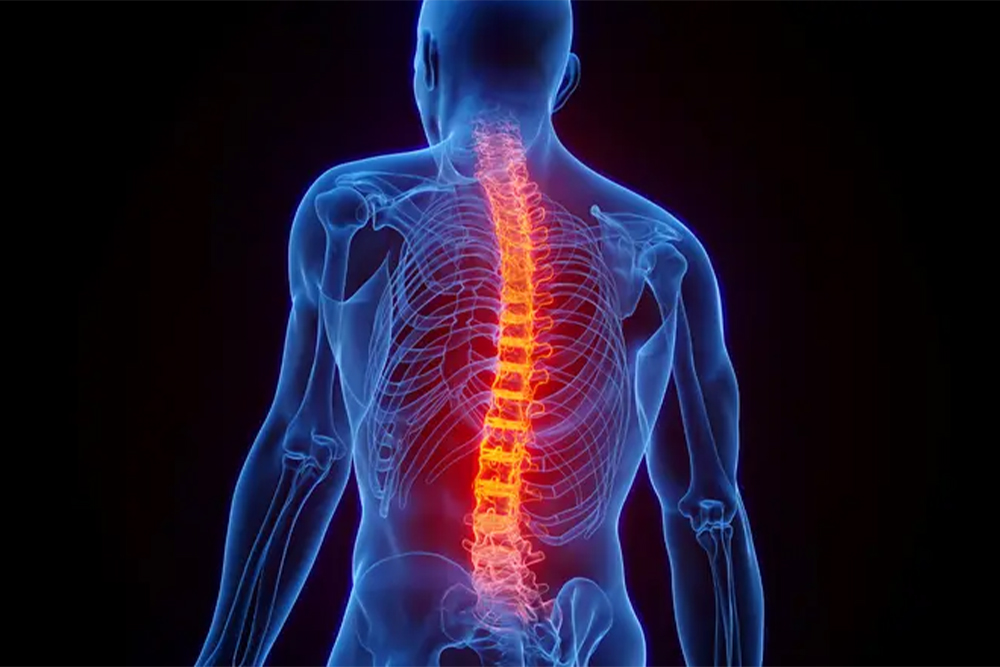
Back pain, neck pain, numbness, or changes in posture can sometimes seem like minor problems. Many people wait for the symptoms to go away on their own. Others rely on painkillers or home remedies for weeks or months.
But persistent or worsening spine symptoms should not be ignored.
Early diagnosis can help identify the actual cause of the problem, prevent symptoms from becoming more severe, and give patients more treatment options. Some spinal conditions can be managed with physiotherapy, medicines, posture correction, and lifestyle changes when identified early. Others may require specialist care or surgery.
If you have on going back or neck symptoms, consulting a qualified spine specialist can help you understand what is causing the problem and what should be done next.
What Does Early Diagnosis of a Spine Problem Mean?
Early diagnosis means identifying the cause of spine-related symptoms before the condition progresses significantly.
Spine problems can have many causes, including:
- Muscle or ligament strain
- Slipped or herniated discs
- Sciatica
- Spinal stenosis
- Cervical spondylosis
- Scoliosis
- Spondylolisthesis
- Spinal deformities
- Nerve compression
- Spinal infections or other less common conditions
The same symptom can occur with different conditions. For example, lower back pain may be related to muscle strain, a disc problem, nerve compression, or a spinal deformity.
That is why treating pain without understanding its cause may not solve the underlying problem.
Why Is Early Diagnosis Important for Spine Problems?
1. It Helps Identify the Real Cause of Pain
Back and neck pain are symptoms, not diagnoses.
A spine specialist may evaluate your medical history, symptoms, posture, movement, reflexes, muscle strength, and sensation. Depending on the findings, imaging tests such as X-rays or MRI may be recommended.
Finding the underlying cause helps the doctor develop a treatment plan suited to the patient’s condition.
2. It May Prevent a Condition From Getting Worse
Some spine conditions can progress when left untreated.
For example, nerve compression may cause increasing pain, numbness, tingling, or weakness. Certain spinal deformities can also change over time.
Early evaluation allows the condition to be monitored and treated before symptoms become more difficult to manage.
3. It Can Help Avoid Unnecessary Treatment
Not every spine problem requires surgery.
Depending on the diagnosis, treatment may include:
- Activity modification
- Physiotherapy
- Medicines
- Exercises
- Posture correction
- Lifestyle changes
- Injections or other non-surgical procedures
- Minimally invasive spine procedures
- Surgery when medically necessary
A proper diagnosis helps determine which treatment is appropriate instead of assuming that surgery is the only solution.
4. It Can Protect Nerve Function
Some spinal conditions involve pressure on nerves or the spinal cord.
Symptoms such as persistent numbness, weakness, loss of sensation, or difficulty walking deserve medical attention.
Early assessment can help identify whether nerve or spinal cord compression is involved and whether treatment is required.
Spine Symptoms You Should Not Ignore
Occasional back pain after physical activity may improve with rest. However, persistent, recurring, or progressive symptoms should be evaluated.
Watch for symptoms such as:
- Back pain that continues for several weeks
- Pain spreading from the back into the leg
- Neck pain radiating into the arm
- Persistent numbness or tingling
- Muscle weakness
- Difficulty walking or maintaining balance
- Changes in posture
- Increasing spinal curvature
- Persistent stiffness
- Pain that interferes with sleep or daily activities
- Loss of bladder or bowel control
Some of these symptoms can indicate a more serious spinal or neurological problem and require prompt medical assessment.
Understanding Spinal Deformity Symptoms and Treatment
Spinal deformities can affect the alignment or shape of the spine.
Spinal deformity symptoms and treatment can vary depending on the type and severity of the condition.
Common examples include scoliosis, kyphosis, and certain forms of spinal imbalance.
Possible symptoms include:
- Uneven shoulders
- Uneven waist or hips
- Visible curvature of the spine
- One shoulder blade appearing more prominent
- Changes in posture
- Back pain
- Fatigue while standing
- Difficulty maintaining balance in more advanced cases
Early assessment is particularly important in children and adolescents because some spinal deformities can change as the body grows.
Adults can also develop or experience progression of spinal deformities due to ageing, degeneration, previous spinal conditions, or other causes.
Treatment depends on factors such as age, symptoms, spinal alignment, progression, and neurological findings. Depending on the situation, observation, physiotherapy, bracing, pain management, or surgical treatment may be considered.
When Should You See a Spine Specialist?
You should consider consulting a spine specialist if:
- Your back or neck pain keeps returning.
- Pain continues despite basic treatment.
- Pain travels into your arm or leg.
- You experience numbness or tingling.
- You notice weakness in your arms or legs.
- Your posture or spinal alignment appears to be changing.
- Your symptoms interfere with work, sleep, walking, or daily activities.
- You have a known spinal condition that requires monitoring.
The right time to seek specialist care is not necessarily when the pain becomes unbearable.
Early evaluation can provide clarity about what is happening and what treatment options are available.
What Happens During a Spine Evaluation?
A consultation usually starts with a discussion about your symptoms.
Your doctor may ask:
- When did the pain begin?
- Where exactly do you feel the pain?
- Does it travel to your arm or leg?
- Do you have numbness or tingling?
- Have you noticed weakness?
- What activities make the symptoms worse?
- Have you already tried medicines or physiotherapy?
- Have you had any previous spine injuries or procedures?
A physical examination may then be performed to assess movement, posture, strength, reflexes, and sensation.
Imaging or other investigations may be recommended when clinically appropriate.
The goal is not simply to find something abnormal on an MRI. The findings need to be considered together with your symptoms and examination.
Why Seeing a Spine Specialist Early Can Make a Difference
A spine specialist can help distinguish between conditions that may look similar but require different approaches.
For example, two people may both have lower back pain, but one may have a muscular problem while another may have nerve compression caused by a disc problem.
Early specialist evaluation can help establish:
What is causing the symptoms?
↓
Is the condition stable or progressing?
↓
Is there nerve or spinal cord involvement?
↓
Can it be managed without surgery?
↓
If surgery is needed, what procedure is appropriate?
This approach supports more informed treatment decisions.
When Is Minimally Invasive Spine Surgery Considered?
Some patients may benefit from minimally invasive procedures when conservative treatment has not provided sufficient relief and surgery is clinically indicated.
A Minimally Invasive Spine Surgeon in Bangalore may consider factors such as the specific spinal condition, severity of symptoms, neurological findings, imaging results, overall health, and previous treatments.
Minimally invasive techniques may involve smaller incisions and less disruption to surrounding tissues compared with some traditional surgical approaches. However, they are not appropriate for every patient or every spinal condition.
The procedure should be selected based on the diagnosis rather than simply choosing the least invasive option.
Scoliosis and Other Spinal Deformities Need Individual Assessment
Scoliosis is a condition involving an abnormal sideways curvature of the spine.
Not every person with scoliosis needs surgery.
Treatment decisions can depend on:
- Age
- Degree and pattern of curvature
- Symptoms
- Growth status
- Progression of the curve
- Balance and alignment
- Neurological findings
- Overall health
Patients looking for a Top Scoliosis Surgeon in Bangalore should focus on finding a specialist who can properly evaluate the spinal deformity and explain both non-surgical and surgical options when appropriate.
Choosing the Right Spine Specialist in Bangalore
Choosing a spine surgeon should involve more than searching for a title or ranking.
Consider the doctor’s:
- Training and qualifications
- Experience with your specific condition
- Approach to diagnosis
- Experience with minimally invasive procedures
- Ability to explain treatment alternatives
- Experience managing complex spinal conditions
- Willingness to discuss non-surgical options when appropriate
Patients looking for a Top Spine Surgeon in Bangalore or Jayanagar should look for a specialist who takes a diagnosis-first approach rather than recommending the same treatment for every patient.
Meet Dr. Yogesh K. Pithwa
Dr. Yogesh K. Pithwa is a spine specialist associated with Sattvik Spine in Bengaluru.
His clinical approach focuses on accurate diagnosis and selecting treatment according to the patient’s specific spinal condition. Depending on the diagnosis, treatment may range from conservative care to minimally invasive procedures or surgery when indicated.
Patients searching for a back specialist in Bengaluru can seek a detailed evaluation when persistent symptoms are affecting daily life.
The purpose of a spine consultation is not simply to determine whether surgery is needed. It is to understand the condition, assess its severity, and identify the most appropriate treatment path.
What Can You Do to Protect Your Spine?
Early diagnosis is important, but prevention and healthy habits also matter.
Simple measures include:
- Maintain regular physical activity.
- Strengthen the core and supporting muscles.
- Avoid prolonged sitting without breaks.
- Maintain good posture during work.
- Use proper lifting techniques.
- Maintain a healthy body weight.
- Follow exercises recommended by a qualified professional.
- Do not ignore persistent or worsening symptoms.
If you already have a diagnosed spine condition, follow your specialist’s advice rather than starting exercises or treatments without guidance.
Frequently Asked Questions
Can back pain go away on its own?
Yes. Some episodes of back pain improve with rest, activity modification, and appropriate conservative care. However, persistent, recurring, or worsening pain should be evaluated to identify the underlying cause.
Does every spine problem require surgery?
No. Many spine conditions can be managed without surgery. Treatment depends on the diagnosis, severity, symptoms, neurological findings, and response to conservative treatment.
When should I see a spine surgeon?
Consider seeing a spine specialist when pain persists, repeatedly returns, affects daily activities, travels into an arm or leg, or is associated with numbness, tingling, or weakness.
Can scoliosis be treated without surgery?
In many cases, yes. Management depends on factors such as age, curve severity, progression, symptoms, and overall spinal health. Some patients may only need monitoring or conservative treatment.
Is minimally invasive spine surgery suitable for everyone?
No. Minimally invasive techniques are appropriate for selected conditions and patients. A specialist should determine whether the approach is suitable after evaluating the symptoms, examination, and imaging.
Why is early diagnosis important even when the pain is mild?
Mild symptoms do not always indicate a minor condition. Early evaluation can help identify the cause, monitor progression, and determine whether simple treatment or further intervention is needed.
Final Takeaway
Spine problems are easier to manage when the underlying cause is identified early.
Persistent back pain, neck pain, numbness, weakness, changes in posture, or symptoms affecting your daily activities should not simply be ignored.
A timely evaluation can help you understand your condition, explore appropriate treatment options, and avoid unnecessary delays in care.
If you are experiencing ongoing spine-related symptoms, consider consulting Dr. Yogesh K. Pithwa at Sattvik Spine for a detailed assessment and personalized treatment plan.
Early diagnosis does not always mean surgery. It means understanding the problem early enough to make the right treatment decision.