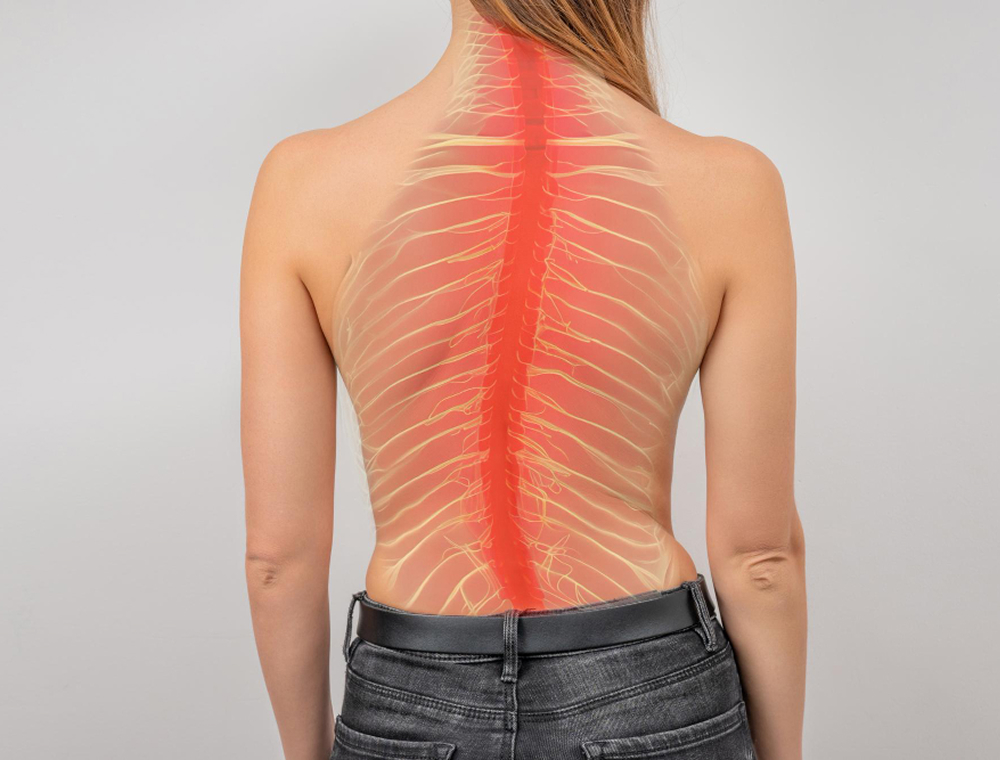
Scoliosis is a condition which makes the spine curves sideways instead of staying straight. When seen from the back, the spine may look like the letter C or S. In many people, the curve is mild and causes no serious problems. In some cases, the curve can increase over time and may need medical care.
This guide explains scoliosis in simple words. It covers symptoms, causes, types, diagnosis, and scoliosis treatment options. The aim is to help patients and families understand the condition clearly, without fear or confusion.
What Is Scoliosis?
A completely healthy spine looks straight when viewed from behind. But in scoliosis, the spine bends to one side and may also twist slightly. This twist can make one shoulder blade or one side of the ribs stick out more than the other.
Scoliosis is not caused by poor posture, carrying heavy bags, or sitting incorrectly. It is a medical condition that usually develops during growth years or later in life due to spine changes.
Who Can Get Scoliosis?
Scoliosis can affect people of any age.
- It is most often found in children and teenagers, especially between 10 and 18 years.
- It can also appear in adults, often due to wear and tear of the spine.
- Girls are more likely than boys to have curves that get worse and need treatment.
- Scoliosis can sometimes run in families.
Types of Scoliosis
Doctors classify scoliosis based on cause and age.
Idiopathic Scoliosis
This is the most common type. “Idiopathic” means the exact cause is unknown. It usually appears during adolescence and may progress during growth spurts.
Congenital Scoliosis
This type is present at birth. It happens when the spine bones do not form properly before birth.
Neuromuscular Scoliosis
This occurs due to nerve or muscle conditions such as cerebral palsy or muscular dystrophy. The muscles cannot support the spine well, leading to curvature.
Degenerative (Adult) Scoliosis
This develops later in life due to disc degeneration, arthritis, or osteoporosis. It may cause back pain and balance problems.
Common Signs and Symptoms
Mild scoliosis may not cause pain. Many cases are found during routine checkups or school screening.
Common signs include:
- Uneven shoulders
- One shoulder blade sticking out more
- Uneven waist or hips
- One side of the rib cage more prominent
- Clothes not fitting evenly
Possible symptoms in some people:
- Back pain
- Muscle fatigue
- Difficulty standing straight for long
- In severe cases, breathing discomfort
If any of these signs are noticed, a spine evaluation is advised.
How Is Scoliosis Diagnosed?
Diagnosis starts with a physical examination. The doctor may ask the patient to bend forward to check spine alignment.
To confirm scoliosis, imaging tests are used:
- X-rays to measure the curve angle (Cobb angle)
- MRI or CT scans if nerve or spinal cord problems are suspected
Curve severity is often described as:
- Less than 10° – not scoliosis
- 10–24° – mild
- 25–39° – moderate
- 40° or more – severe
Regular monitoring is important, especially in growing children.
Scoliosis Treatment Options
Scoliosis treatment depends on:
- Age
- Curve size
- Cause of scoliosis
- Symptoms
- Risk of progression
Observation
Small curves may only need regular follow-up. Many mild cases never worsen and do not need active treatment.
Bracing
Braces are used mainly in children and adolescents who are still growing. The goal is to slow or stop curve progression, not to correct the curve completely.
Bracing is not useful for adults or fully grown patients.
Physical Therapy
Exercises may help with posture, muscle strength, and pain control. Therapy does not cure scoliosis but can improve comfort and movement.
Scoliosis Surgery
Surgery is considered when:
- The curve keeps increasing
- The curve is severe
- Pain or nerve symptoms affect daily life
- Breathing or balance is affected
Scoliosis surgery in India is usually done using spinal correction and stabilization techniques. The goal is to improve alignment, prevent further progression, and protect nerve function.
Surgery is not required for most scoliosis patients. It is advised only after careful evaluation.
Choosing the Right Specialist
Scoliosis management requires experience and careful judgment. Not every curve needs surgery, and not every patient benefits from aggressive treatment.
Patients looking for a Best scoliosis surgeon in India or a Top scoliosis surgeon in Bangalore should focus on:
- Proper diagnosis
- Clear explanation of options
- Conservative approach when possible
- Ethical decision-making
Dr Yogesh K Pithwa is known for a step-by-step, patient-first approach to spine conditions, including scoliosis. Treatment planning focuses on what is medically necessary, not rushed decisions.
Life With Scoliosis
Most people with scoliosis live normal, active lives.
Helpful tips:
- Stay physically active
- Maintain healthy posture
- Attend follow-up visits as advised
- Do not ignore new pain or changes
With early detection and proper scoliosis treatment, long-term problems can often be avoided.
When to See a Doctor
Consult a spine specialist if:
- A curve or uneven posture is noticed
- Back pain is persistent
- A child’s posture changes during growth
- Balance or walking feels difficult
Early evaluation leads to better outcomes.
Scoliosis is a manageable spinal condition, not a life-limiting disease. Most cases are mild. Some need monitoring. A smaller number may need surgery.
The key is correct diagnosis, honest guidance, and appropriate treatment. Whether observation, bracing, therapy, or surgery is needed, decisions should always be based on medical facts and patient well-being.
If you or your family member has concerns about scoliosis, a consultation with an experienced spine specialist can provide clarity and reassurance.