Scoliosis can be a stressful diagnosis for both children and adults. One of the first questions most patients ask is:
Can scoliosis be treated without surgery?
The honest answer is yes-in some cases, Scoliosis treatment without surgery can successfully manage the condition, especially when the spinal curve is mild to moderate and identified early.
Modern treatment options can help slow curve progression, improve posture, reduce discomfort, and support an active lifestyle. These approaches may include bracing, scoliosis-specific physiotherapy, pain management strategies, and regular monitoring.
That said, non-surgical care is not suitable for everyone. The best treatment depends on several factors, including age, curve size, symptoms, growth potential, and whether the curve is getting worse over time.
At Sattvik Spine, Dr Yogesh K Pithwa, recognized by many patients as one of the Top and best spine surgeon in Bangalore and, takes a personalized approach to scoliosis care. Every patient receives an individual assessment to determine the most appropriate treatment plan based on their specific condition and goals.
Key Takeaways
- Many people with scoliosis can benefit from Scoliosis treatment without surgery.
- Non-surgical scoliosis treatment is often recommended for mild to moderate curves.
- Bracing may help prevent curve progression in growing children and teenagers.
- The Schroth Method is one of the most researched exercise-based treatments for scoliosis.
- Physiotherapy can improve posture, strength, breathing, and overall function.
- Pain management may include exercise therapy, medications, and injections when necessary.
- Regular monitoring helps detect changes in the spinal curve early.
- Surgery is generally considered for severe curves or rapidly progressing scoliosis.
What Is Scoliosis?
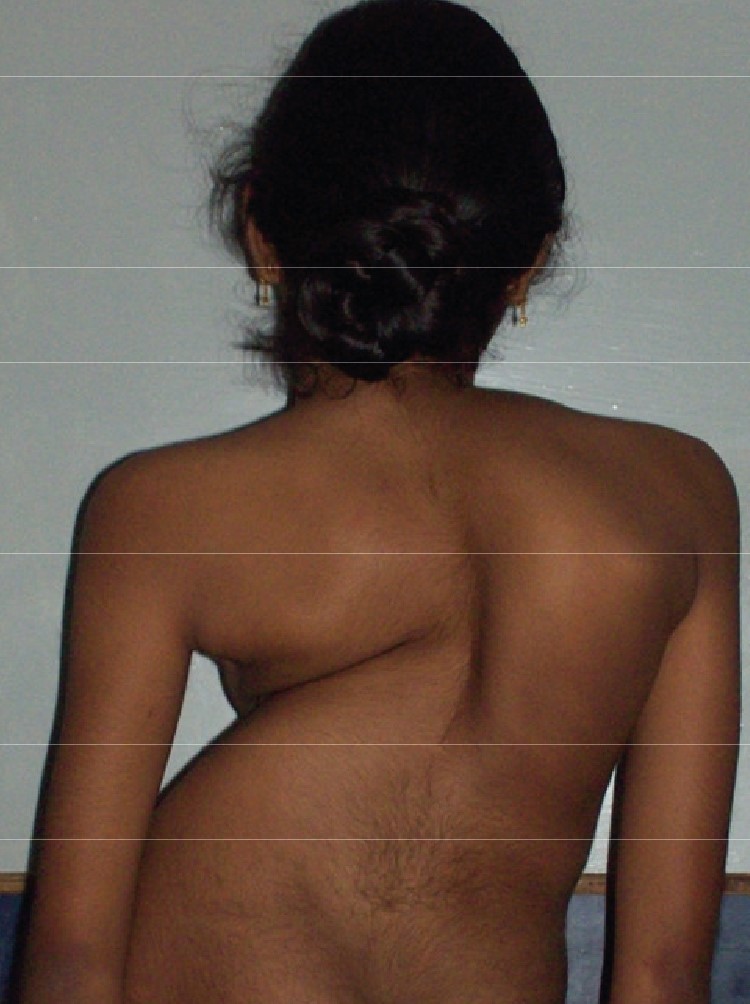
Scoliosis is a condition in which the spine curves sideways instead of remaining straight when viewed from behind.
The curve may appear as:
- A “C” shape
- An “S” shape
While some people have only a small curve and few symptoms, others may notice:
- Uneven shoulders
- One shoulder blade sticking out more than the other
- Uneven waistline or hips
- Back pain
- Poor posture
- Fatigue after standing for long periods
In severe cases, scoliosis can affect lung function and overall mobility.
Scoliosis can occur in:
- Children
- Teenagers
- Adults
The treatment approach depends on the type of scoliosis and how severe the curve is.
Who Is a Candidate for Non-Surgical Treatment?
Not everyone diagnosed with scoliosis requires surgery.
In fact, many patients can benefit from Non-surgical scoliosis treatment and careful observation.
Doctors usually evaluate several factors before recommending a treatment plan.
Age
Age plays an important role because scoliosis behaves differently in growing children and adults.
Children and Teenagers
Young patients who are still growing often respond well to:
- Bracing
- Physiotherapy
- Regular monitoring
The goal is to prevent the curve from worsening during growth.
Adults
Adults may not benefit from bracing in the same way as growing children, but they can often improve symptoms through:
- Exercise therapy
- Postural correction
- Pain management
- Lifestyle modifications
Curve Severity
The Cobb angle is used to measure the degree of spinal curvature.
In general:
- Less than 20°: Observation and exercises
- 20°–40°: Bracing and scoliosis-specific therapy may be recommended
- More than 45°: Surgical evaluation may be considered
These are general guidelines, and treatment decisions should always be individualized.
Rate of Progression
A curve that remains stable may only require periodic monitoring.
However, if the curve increases significantly over a short period, more active treatment may be necessary.
Type of Scoliosis
Different forms of scoliosis require different treatment approaches.
Common types include:
- Adolescent Idiopathic Scoliosis
- Congenital Scoliosis
- Neuromuscular Scoliosis
- Adult Degenerative Scoliosis
Understanding the underlying cause helps guide treatment decisions.
Scoliosis Bracing
Bracing is one of the most established options for Scoliosis treatment without surgery in India and around the world.
The primary goal of a brace is to prevent the curve from getting worse, rather than completely straighten the spine.
Bracing is usually recommended when:
- The patient is still growing
- The curve falls within a moderate range
- There is a risk of progression
Boston Brace
The Boston Brace is one of the most commonly prescribed scoliosis braces worldwide.
Key features include:
- Custom-made for each patient
- Worn underneath clothing
- Typically worn between 18 and 23 hours per day
Many adolescents with moderate scoliosis use this brace during their growth years.
Night-Time Bracing
Some patients may qualify for braces that are worn only while sleeping.
Examples include:
- Providence Brace
- Charleston Bending Brace
These braces are designed for specific curve patterns and may be suitable for selected patients.
New 3D-Printed Braces
Advances in technology have improved brace design significantly.
Modern 3D-printed braces may offer:
- Better comfort
- Improved ventilation
- Reduced weight
- More customized correction
Improved comfort often helps patients wear the brace as prescribed.
How Effective Is Bracing?
Studies have shown that consistent brace use can reduce the likelihood of curve progression in many growing adolescents.
The success of bracing depends on factors such as:
- Curve size
- Curve location
- Remaining growth
- Daily wear time
- Patient compliance
The more consistently the brace is worn, the better the chances of preventing progression.
Physiotherapy for Scoliosis
Physiotherapy is an important part of Non-surgical scoliosis treatment.
Unlike general exercise programs, scoliosis-specific physiotherapy is designed to address the unique shape of each spinal curve.
The goals include:
- Improving posture
- Strengthening muscles
- Enhancing breathing mechanics
- Increasing body awareness
- Reducing pain
Schroth Method: The Most Evidence-Based Approach
The Schroth Method is one of the most widely recognized scoliosis-specific exercise programs.
Developed in Germany, it focuses on three-dimensional correction of spinal alignment.
Key components include:
- Corrective breathing techniques
- Postural training
- Muscle strengthening
- Curve-specific exercises
Potential benefits include:
- Better posture
- Improved spinal stability
- Reduced discomfort
- Increased confidence
- Enhanced quality of life
Many scoliosis specialists consider Schroth therapy an important part of conservative treatment.
SEAS Method
SEAS stands for Scientific Exercise Approach to Scoliosis.
This method emphasizes:
- Active self-correction
- Functional movement training
- Long-term spinal control
The exercises are designed to help patients maintain improved posture during everyday activities.
Exercises That May Help
Depending on the individual’s condition, a physiotherapist may recommend:
- Core strengthening exercises
- Breathing exercises
- Stretching routines
- Balance training
- Postural correction exercises
These exercises should be tailored to the patient’s specific curve pattern.
Exercises to Avoid
Not every exercise is suitable for every scoliosis patient.
Some individuals may need to avoid:
- Activities that cause pain
- Excessive spinal twisting
- Heavy lifting without supervision
- High-impact movements that worsen symptoms
A trained physiotherapist can provide personalized guidance.
Pain Management for Scoliosis
Pain is one of the most common reasons adults seek Scoliosis treatment without surgery.
Fortunately, many patients can achieve meaningful relief without surgery.
A combination of treatments often works best.
Anti-Inflammatory Management
Doctors may recommend conservative measures such as:
- Activity modification
- Anti-inflammatory medications
- Heat therapy
- Cold therapy
These approaches can help reduce inflammation and discomfort.
Physiotherapy for Pain Reduction
Physiotherapy addresses the underlying mechanical causes of pain.
Benefits may include:
- Improved muscle balance
- Better posture
- Reduced stress on joints
- Increased flexibility
- Enhanced movement patterns
Many patients notice gradual improvement when they follow a structured rehabilitation program.
Spinal Injections
When pain continues despite conservative treatment, injections may be considered.
Common options include:
- Facet joint injections
- Epidural steroid injections
- Selective nerve root injections
These procedures may help reduce inflammation and improve mobility in selected patients.
Regular Monitoring Is Essential
One of the most important aspects of managing scoliosis without surgery is regular follow-up.
Even curves that appear stable should be monitored over time.
Why Cobb Angle Measurement Matters
The Cobb angle is the standard method used to measure scoliosis.
It helps doctors:
- Determine curve severity
- Monitor progression
- Evaluate treatment effectiveness
- Make informed treatment decisions
Tracking changes over time is often more important than a single measurement.
How Often Are X-Rays Needed?
The frequency of imaging depends on several factors.
These include:
- Age
- Growth status
- Curve size
- Risk of progression
Patient Type | Monitoring Frequency |
Growing children | Every 4–6 months |
Stable adolescents | Every 6–12 months |
Adults | Based on symptoms and progression |
Your doctor may adjust this schedule depending on your individual situation.
When Surgery Becomes Necessary
Although many patients respond well to conservative treatment, surgery may be recommended in certain situations.
The decision is based on symptoms, curve progression, and overall quality of life.
Curve Exceeds 45–50 Degrees
Larger curves are more likely to continue progressing, even after growth has stopped.
In these cases, surgery may help prevent future complications.
Rapid Progression
A curve that worsens quickly despite treatment may require surgical correction.
Early intervention can sometimes prevent more severe deformity.
Neurological Symptoms
Symptoms such as:
- Leg weakness
- Numbness
- Tingling
- Difficulty walking
may indicate nerve compression and require specialist evaluation.
Significant Cosmetic Concerns
For some patients, spinal deformity affects:
- Self-confidence
- Daily activities
- Emotional well-being
When scoliosis significantly impacts quality of life, surgery may be considered as part of a comprehensive treatment plan.
What Dr Pithwa Recommends
According to Dr Yogesh Pithwa, successful scoliosis treatment begins with understanding the individual patient rather than focusing only on the X-ray.
Every spinal curve is unique, and treatment should reflect that.
Comprehensive Evaluation
The first step involves a detailed assessment that may include:
- Medical history
- Physical examination
- Postural analysis
- Imaging studies
- Cobb angle measurement
This helps determine the most appropriate treatment strategy.
Personalized Treatment Planning
Depending on the patient’s age, symptoms, and curve characteristics, recommendations may include:
- Observation
- Bracing
- Schroth-based physiotherapy
- Pain management strategies
- Surgical consultation when necessary
The goal is always to choose the least invasive option that can provide the best outcome.
Long-Term Monitoring
Scoliosis is often a condition that requires ongoing follow-up.
Regular reviews help ensure that treatment remains effective and allows adjustments when needed.
Patients seeking expert scoliosis care often benefit from consulting Dr Yogesh K Pithwa, a trusted spine specialist who can explain both surgical and non-surgical options in detail before any major treatment decision is made.
Frequently Asked Questions (FAQ)
Many mild and moderate curves can be managed successfully with Scoliosis treatment without surgery. While complete correction is not always possible, treatment can often slow progression and improve function.
There is no single best treatment for everyone. Non-surgical scoliosis treatment, including bracing, Schroth-based physiotherapy, and regular monitoring, are among the most commonly recommended approaches.
Yes. Adults often experience improvements in posture, flexibility, strength, and pain levels through scoliosis-specific exercise programs.
Bracing is usually continued until skeletal growth is complete. The exact duration varies depending on age, growth potential, and curve progression.
Not always. Some people have no symptoms, while others experience back pain, muscle fatigue, stiffness, or discomfort related to spinal imbalance.
You should seek medical evaluation if you notice uneven shoulders, spinal curvature, persistent back pain, changes in posture, or worsening symptoms.
Yes. Some curves continue to progress during adulthood, particularly larger curves and degenerative scoliosis.
No. Most patients do not require surgery and can be managed successfully through observation, physiotherapy, bracing, or other conservative treatments.
In some cases, scoliosis can affect posture, physical activity, confidence, and comfort. Early treatment can help minimize these effects and improve overall quality of life.
Conclusion
Many people diagnosed with scoliosis can achieve excellent outcomes through Scoliosis treatment without surgery. Early diagnosis, appropriate treatment, and regular monitoring are the keys to long-term success.
Options such as bracing, scoliosis-specific physiotherapy, pain management, and ongoing follow-up can help control curve progression and improve daily function.
Because every patient is different, treatment should always be tailored to the individual’s age, symptoms, lifestyle, and spinal curve characteristics.
Take the Next Step
If you or a family member has been diagnosed with scoliosis, schedule a consultation at Sattvik Spine with Dr Yogesh K Pithwa. A detailed evaluation can help determine whether Non-surgical scoliosis treatment is appropriate and identify the best path forward for maintaining long-term spinal health.
Discover whether Scoliosis treatment without surgery can help you or your loved one live with less pain, better posture, and greater confidence.